MORITA is a climbing liana reaching heights of up to 6–7 meters with dark, smooth stems up to 2 cm in diameter. Without support, the plant grows along the ground, but it is typically secured to supporting structures. The stem bark is brown or reddish-brown, featuring light lenticels and peeling on older branches.
MORITA leaves have an oblong oval shape, measuring 5–10 cm in length and 4–7 cm in width. They range from oblong-oval to ovoid with an acute apex and cordate base. The leaf color is dull green but changes to variegated hues during flowering due to the appearance of white and pink spots.
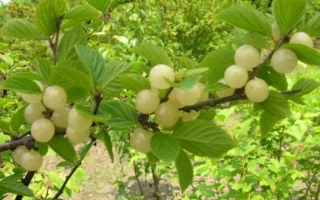
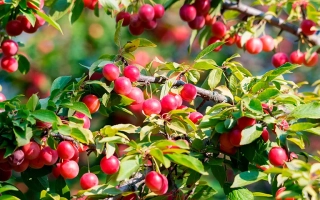
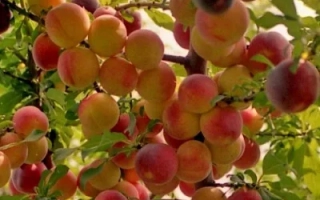
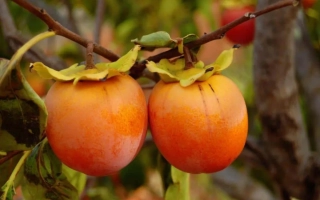
Flowers grow in groups of 1–3 in the leaf axils, exhibiting a white or pinkish tint, fragrant, and blooming in May–June. The fruit is oval, laterally compressed, bluntly rounded at the base, and rounded at the apex. The skin is thin and translucent with a murky green color. The average fruit mass is 2.6 g (up to a maximum of 3.5 g), and dimensions are 2.4 × 1.5 × 1.3 cm. The taste is sweet with a fig-like aroma.
For abundant fruiting, a pollinator variety is required; the plant can be self-pollinating or require a male pollinator. MORITA is well-adapted to moderate climatic conditions and ensures high yields, though it requires regular watering, fertilization, and support maintenance.
In horticulture, this species is widely utilized thanks to its exotic appearance and the beneficial properties of its fruits, which are rich in Vitamin C and antioxidants. Care includes pruning, shaping, and maintaining optimal growing conditions for fruiting.