
Pimelea decora
Pimelea decora
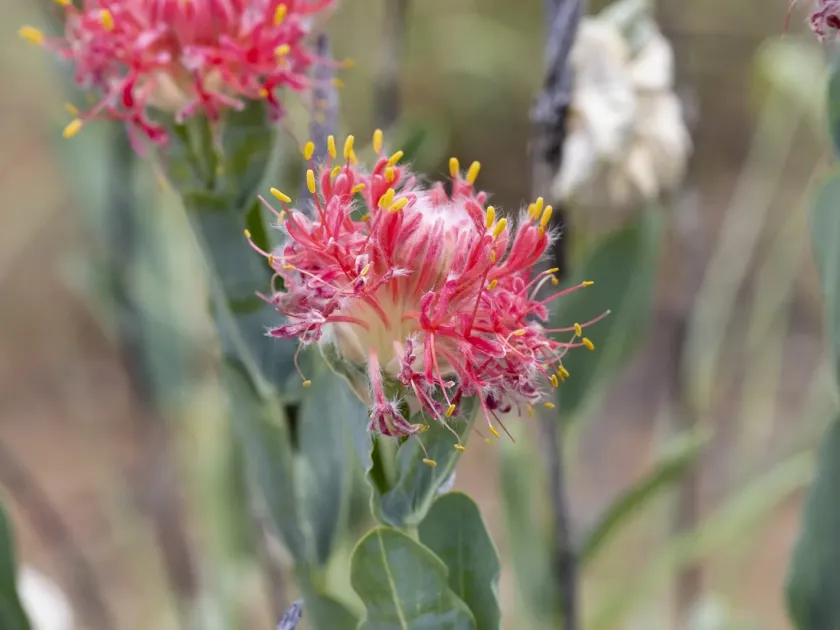
Description
Growing requirements
Pimelea decora belongs to the Thymelaeaceae family. It is a distinctive ornamental shrub known for its unique inflorescences and specific growth habit in botanical gardens.
The plant originates from Australia, where it thrives in open, sunny habitats. It is well-adapted to warm climates but requires specific care when cultivated in controlled environments.
Proper cultivation requires full sun exposure and well-drained, slightly acidic soil. The plant cannot tolerate "wet feet," making drainage a critical factor for success.
Climatic requirements include moderate temperatures and good air circulation. Extreme humidity or sudden cold snaps can negatively impact the plant's overall development.
Agrotechnical practices involve careful pruning after the flowering stage. This maintenance stimulates bushiness and ensures high-quality production for the next season.
Main diseases and pests
Root rot remains the most serious threat, primarily caused by waterlogged soil conditions. Soil management and proper irrigation scheduling are essential preventive measures.
Pests such as aphids and spider mites can infest the foliage, particularly in greenhouse conditions. Integrated pest management strategies are recommended to maintain plant health.
Harvesting
The primary use of Pimelea decora is in the floral industry. Its flowers are highly valued for their longevity and unique appearance in professional bouquets and floral designs.
Harvesting is typically carried out using sterilized shears to prevent the spread of diseases. Stems are usually harvested at the stage when the main buds are fully formed.