
Pimelea pauciflora
Pimelea pauciflora
Description
Growing requirements
Pimelea pauciflora is a notable species belonging to the Thymelaeaceae family. This evergreen shrub is native to Australia, typically found in damp, shaded environments, including forest edges and riparian zones.
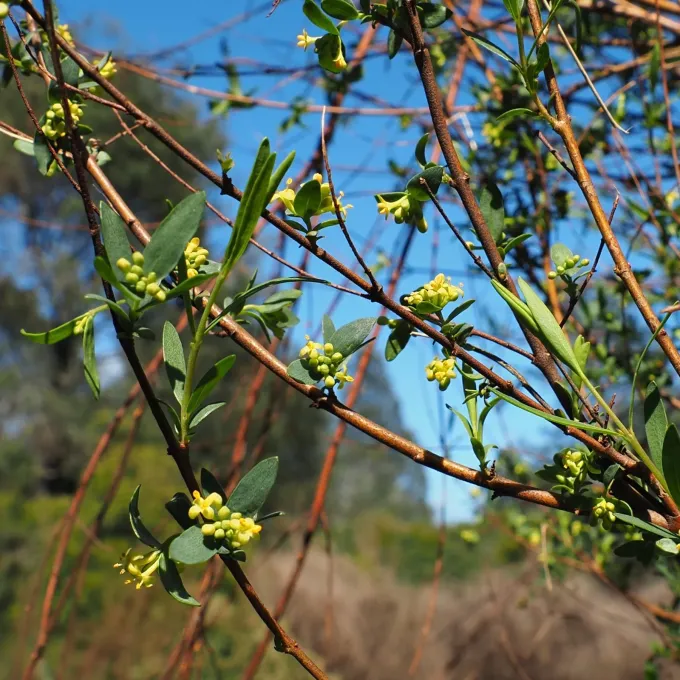
The plant exhibits distinctive botanical traits: thin, flexible stems covered with narrow, opposite leaves. Its flowers are small and inconspicuous, clustered in tight terminal heads, which are characteristic of the genus.
Regarding cultivation requirements, Pimelea pauciflora thrives in well-drained yet consistently moist soil conditions. The root system is delicate and requires a stable moisture supply without the risk of waterlogging.
Climatic preferences include temperate conditions with shelter from direct, harsh sunlight. In agricultural or horticultural settings, it performs best in partial shade, mimicking its natural understory habitat.
The primary horticultural use of this species is in decorative landscaping. It is favored for naturalistic garden designs, providing a unique texture and structure when placed in appropriately moist and shaded microclimates.
Main diseases and pests
The most significant threat to Pimelea pauciflora is root rot, primarily caused by excessive soil moisture and poor drainage. Ensuring adequate aeration of the substrate is vital for preventing fungal pathogens.
Pests such as aphids and spider mites represent a common concern during the growing season. These insects often target young, succulent growth, leading to deformation and loss of foliage vitality.
Environmental stress, such as extreme heat or drying winds, can significantly weaken the shrub, making it more susceptible to secondary infestations and physiological decline.
Management of these threats involves regular monitoring and the use of integrated pest management strategies. Avoiding high-nitrogen fertilizers is essential, as succulent growth is more prone to aphid attacks.
Routine maintenance includes careful pruning of dead or diseased branches to promote healthy air circulation within the canopy. This practice is crucial for maintaining plant health and preventing the spread of diseases.