
Pimelea haematostachya
Pimelea haematostachya
Description
Growing requirements
Pimelea haematostachya belongs to the Thymelaeaceae family. It is a plant species native to Australia, specifically found in the regional environments of Queensland.
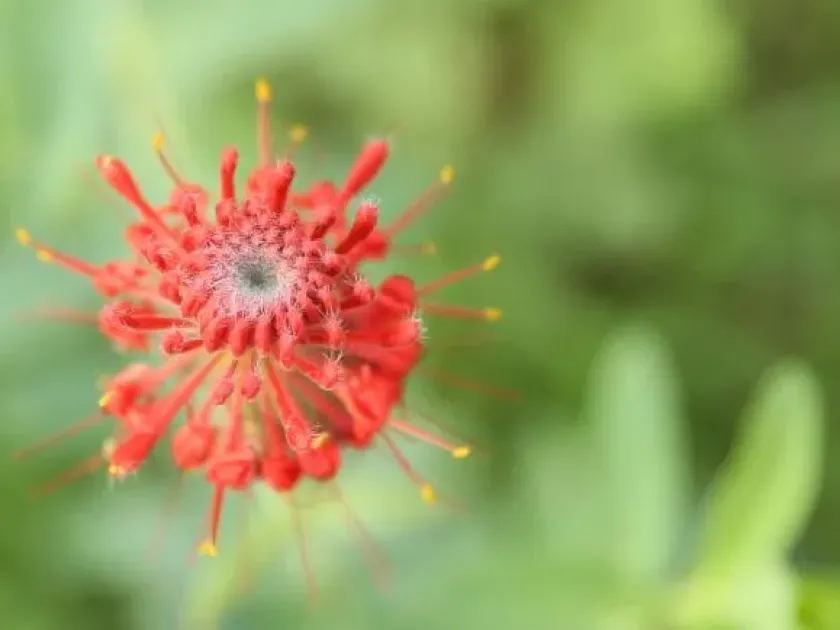
Botanically, it is a small shrub characterized by erect stems densely covered with narrow, slender leaves. The most striking feature of this plant is its dense, spike-like inflorescences that develop a deep, reddish pigment during the blooming season.
To ensure optimal growth, the crop requires well-drained sandy or loamy soils with a pH ranging from neutral to slightly acidic. Providing excellent drainage is crucial, as the root system is highly sensitive to waterlogging and subsequent decay.
In its native climate, the plant thrives in full sun exposure with adequate air movement. While it possesses moderate drought tolerance, regular watering during the active growth phase is essential to support the development of high-quality inflorescences.
In terms of agricultural and commercial application, this plant is primarily cultivated for ornamental purposes, serving both as a landscape feature and a potential specialty cut flower crop.
Main diseases and pests
The primary biological threat to the crop includes soil-borne pathogens, particularly Phytophthora species, which can cause severe root rot under conditions of excessive moisture.
Foliage may become susceptible to powdery mildew, especially when humidity levels are high and ventilation within the plant canopy is insufficient.
Pest pressure is frequently driven by aphid infestations that target the tender terminal shoots and the developing inflorescences, significantly impacting the plant's health.
Spider mites represent another common threat during periods of extreme heat and prolonged dry spells, leading to leaf discoloration and dehydration.
To maintain a healthy crop, growers should implement strict sanitation protocols and utilize targeted fungicide or insecticide treatments as soon as early symptoms appear.