
Pimelea
Pimelea hybrids
Description
Growing requirements
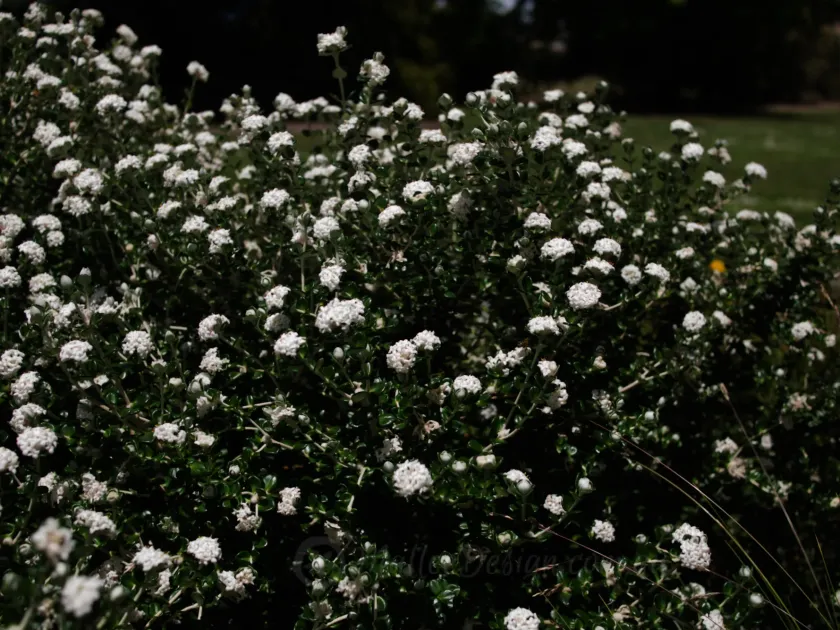
Pimelea is a genus of shrubs and subshrubs belonging to the Thymelaeaceae family. Native primarily to Australia and New Zealand, these plants are prized in horticulture for their cluster-like flower heads and attractive evergreen foliage.
Cultivation of Pimelea requires specific environmental conditions, as the plants are sensitive to root disturbance and excessive moisture. They thrive in bright, filtered light and are best suited for greenhouse conditions or protected patios in non-frost climates.
The soil must be well-draining, acidic to neutral, and low in phosphate. In containers, a mix comprising peat, perlite, and coarse sand is recommended to ensure that the root zone remains aerated and never becomes waterlogged.
Temperature management is vital: while they enjoy warmth during the growing season (18–22°C), they require a cool, dry period during winter dormancy. Frost sensitivity means they must be moved indoors or kept in heated greenhouses throughout the winter months.
Regular fertilization with low-phosphorus liquid nutrients is necessary during the spring and summer. Pruning should be performed after the flowering period to maintain a compact shape and encourage branching for the following season.
Main diseases and pests
Pimelea plants are susceptible to various pests, with spider mites being the most common in low-humidity environments. Regular inspection of the underside of leaves is recommended to detect infestations at an early stage.
Mealybugs can also infest the stems and leaf axils. If found, these pests should be treated promptly with systemic insecticides or horticultural oils to prevent the rapid decline of the plant's vigor.
Root rot, caused by various fungal pathogens like Phytophthora, is the most lethal threat to Pimelea. It is almost always a result of poor drainage or overwatering, making moisture management the primary defense.
Fungal leaf spots can occur if airflow is poor and the foliage remains wet for extended periods. Improving ventilation and avoiding overhead irrigation are effective cultural practices to reduce the incidence of these diseases.
In cases of severe infestation or advanced root rot, isolation of the plant is recommended to prevent the spread of pests or pathogens to other crops within the production area.