
Pimelea cornucopiae
Pimelea cornucopiae
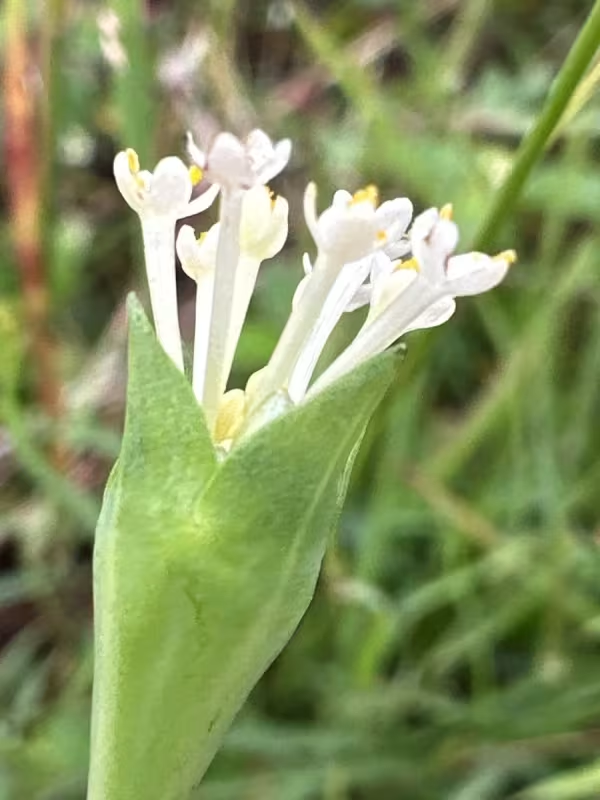
Description
Growing requirements
Pimelea cornucopiae is a notable member of the Thymelaeaceae family, distinguished by its unique floral structures and compact growth habit. Originating from specific regions in Australia, this plant has adapted to well-defined ecological niches, which must be replicated in a controlled cultivation environment.
Botanically, the plant features elongated, narrow foliage and inflorescences that develop in dense clusters. The growth cycle is relatively slow, requiring patience and precise nutrient management to achieve the desired plant architecture and floral density for commercial purposes.
The crop demands a growing medium with excellent drainage properties to prevent root asphyxiation. A substrate mixture containing a high percentage of pumice or coarse sand is recommended to maintain the necessary soil oxygen levels, which is crucial for the health of the root system.
Climate requirements include a stable temperature range, avoiding both excessive heat and cold drafts. Pimelea cornucopiae performs best under bright, indirect light, and supplementary lighting may be necessary during winter months to prevent etiolation and maintain plant vigor.
Regular maintenance involves irrigation monitoring, as the plant is sensitive to both dehydration and over-saturation. Utilizing automated irrigation systems with moisture sensors allows for maintaining the root zone at an optimal field capacity throughout the entire growth season.
Main diseases and pests
The primary threats to the crop include various root rot pathogens, most notably species of Phytophthora and Pythium. These fungi thrive in poorly drained media, making proper substrate sterilization and hygiene protocols the first line of defense for a commercial grower.
Insects, particularly spider mites and mealybugs, are frequent pests that cause damage by puncturing plant tissues. These pests proliferate rapidly in warm, dry environments, potentially leading to stunted growth and significant aesthetic damage to the ornamental foliage.
Effective management strategies require a combination of physical barriers, biological controls, and chemical intervention when infestation thresholds are exceeded. Keeping the facility well-ventilated is key to reducing the pest population and preventing fungal outbreaks.
Monitoring for nutrient deficiencies or toxicity is essential, as the plant may show symptoms that resemble pest damage. Proper fertilizer management ensures that the plant remains resilient against abiotic stresses that often precede biological attacks.
Implementing a strict sanitation program, including the removal of dead or senescent plant parts, reduces the reservoir of spores and insect eggs. This proactive approach ensures a healthier crop and reduces the overall reliance on broad-spectrum pesticides.