
Picrasma quassioides
Picrasma quassioides
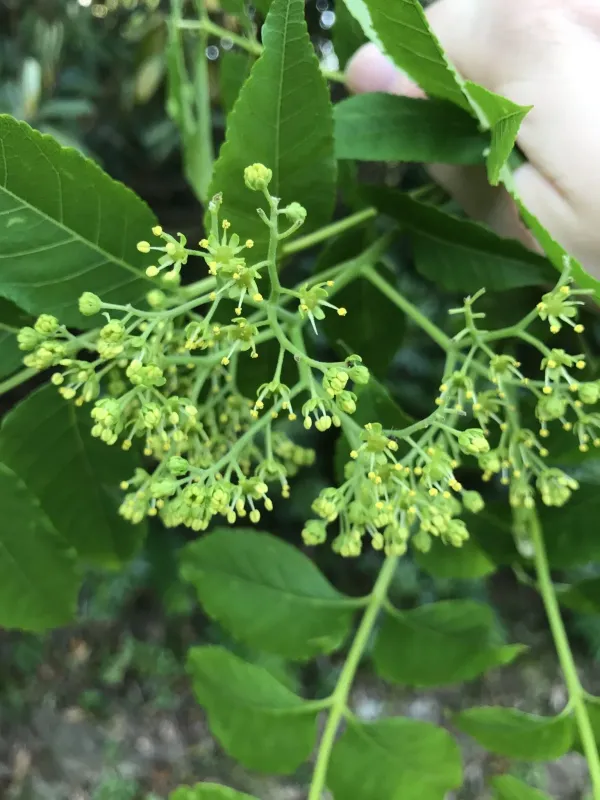
Description
Growing requirements
Picrasma quassioides is a significant member of the Simaroubaceae family. This deciduous tree is recognized for its unique bitter properties, which are derived from the chemical compounds found throughout its wood and bark. It typically grows as a medium-sized tree with an open, spreading crown and compound, pinnate leaves.
Native to the temperate and subtropical regions of Asia, including China, Japan, and the Himalayas, the tree thrives in environments with moderate humidity and fertile soil. It performs best in well-drained loamy soils and requires sufficient organic matter to reach its full growth potential within a managed agricultural environment.
Cultivation requirements necessitate selecting sites that receive plenty of sunlight but are protected from severe, drying winds. While the tree shows moderate cold tolerance once established, juvenile plants require protection during their first few winter seasons to prevent frost damage to the delicate bark and new buds.
The agronomic management of Picrasma involves periodic soil aeration and the application of balanced nitrogen-phosphorus fertilizers to support healthy canopy development. Pruning should be handled with care, focusing on the removal of damaged branches to encourage vigorous vertical growth and maintain the structural integrity of the plant.
The plant has substantial economic value, primarily for its wood, which is processed to extract quassinoids. These substances are widely utilized in the pharmaceutical industry for their potent therapeutic effects, as well as in agriculture as natural, non-toxic insect repellents and botanical insecticides.
Main diseases and pests
The primary threats to the health of Picrasma quassioides include fungal pathogens that thrive in waterlogged soil conditions, leading to root decay. Furthermore, local insect species such as aphids and specific beetles may colonize the foliage during the growing season, requiring integrated pest management strategies to maintain plant vigor.