
Java picrasma
Picrasma javanica
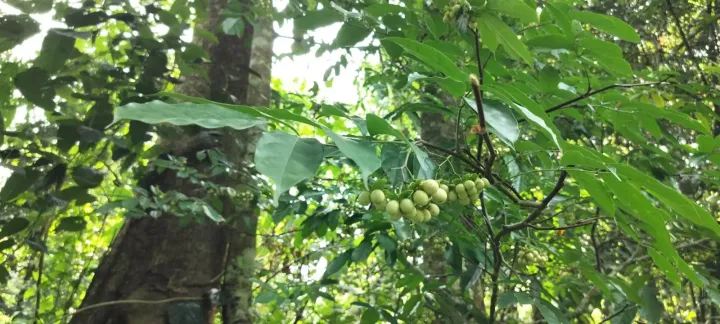
Description
Growing requirements
The Java picrasma (Picrasma javanica) is a prominent species within the Simaroubaceae family. This evergreen tree is native to the tropical forests of Southeast Asia and is highly valued for its biological properties.
The species thrives in humid tropical environments, requiring consistent warmth and high humidity. It cannot tolerate freezing temperatures, as it is strictly a tropical woody crop that demands year-round active growth.
Soil requirements for this crop include deep, well-structured, and nutrient-rich loams. Adequate soil drainage is critical, as waterlogged conditions quickly lead to root rot and other physiological disorders.
Botanically, the tree exhibits pinnate leaves and produces small flowers that eventually lead to drupe-like fruits. Its wood and bark contain secondary metabolites, specifically quassinoids, which are of significant interest to science.
The primary economic value of this plant lies in the extraction of active compounds. These substances are utilized in pharmaceuticals and as natural biological pest control agents in sustainable agricultural practices.
Main diseases and pests
Root rot caused by Fusarium species remains the most severe threat to Picrasma javanica when the plants are grown in heavy or poorly drained soils during intense rainfall periods.
Various tropical defoliators and wood-boring insects present a constant risk to the plantation's health. These pests can significantly impact the yield of raw bark and wood extractives.
Fungal leaf spot diseases are common in humid conditions with low airflow. Proper spacing between trees is recommended to minimize humidity accumulation within the canopy.
Termites are a major concern in tropical plantations. They can severely damage the base of the stems, making preventative soil treatments necessary for young saplings.
Monitoring the nutrient status of the trees is essential, as stressed plants are significantly more susceptible to both insect attacks and secondary pathogenic infections.