
Golden-flowered figwort
Scrophularia chrysantha
Description
Sowing dates
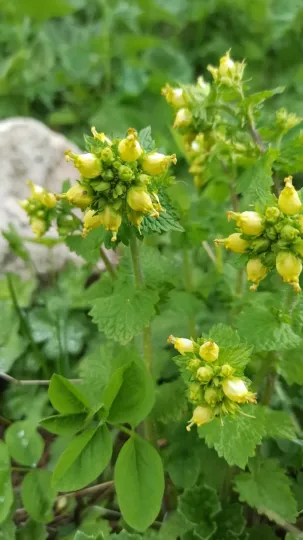
Scrophularia chrysantha, commonly known as golden-flowered figwort, is a herbaceous perennial belonging to the Scrophulariaceae family. Native to mountain ecosystems, it is a robust species adapted to harsh climates.
The seeds of this species require cold stratification to break dormancy. Sowing can be performed directly into prepared beds during the autumn, allowing the natural winter cycle to trigger germination.
When starting indoors, seeds should be kept in a moist substrate at low temperatures for several weeks before moving them to a warmer environment. This ensures high germination rates and uniform seedling growth.
Seedlings are transplanted into the field once they develop at least two sets of true leaves. Spacing should be sufficient to allow for mature spread, typically 30–40 cm between individual plants.
This species is increasingly studied for its chemical composition, specifically its unique glycosides, which hold significant interest for the botanical pharmaceutical sector.
Growing requirements
This plant thrives in well-drained, fertile soil. While it is adaptable, it performs best in soils that are rich in organic matter and possess a neutral to slightly alkaline pH level.
Light requirements include full sun to partial shade. In regions with extremely intense sunlight, partial shade helps in preventing foliage scorch and maintains the physiological balance of the plant.
Watering should be managed carefully. The golden-flowered figwort requires consistent moisture but is highly intolerant of waterlogging, which often leads to root collar rot in heavy soils.
Nutrient management is key for leaf mass production. Nitrogen-rich fertilizers should be applied during the early growth phase, while potassium levels are increased prior to the flowering stage.
Mulching the surrounding soil helps maintain moisture levels and prevents soil compaction, which is essential for the long-term health of perennial stands.
Main diseases and pests
Fungal pathogens such as mildew and root decay represent the most significant threats to Scrophularia chrysantha. These diseases are usually triggered by poor ventilation and excessive moisture.
Pests, particularly leaf-eating insects, can cause severe defoliation if left unchecked. Early monitoring is crucial to prevent the population growth of these pests during the vegetative season.
Maintaining a clean field environment by removing old plant debris at the end of the season significantly reduces the risk of overwintering pathogens and insect larvae.
Integration of companion planting and beneficial insect habitats can help in managing pest populations naturally without the need for synthetic chemical applications.
If chemical interventions are necessary, targeted and selective products should be used to preserve the overall health and quality of the medicinal plant stand.