
Gomphostigma
Gomphostigma
Description
Growing requirements
Gomphostigma is a genus of subshrubs belonging to the family Scrophulariaceae. These plants are primarily known for their natural occurrence in riverine habitats, often found lining the banks of waterways in their native South African environment.
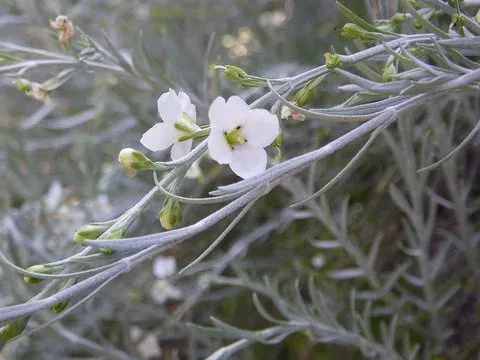
Botanically, they are characterized by narrow, lanceolate leaves and terminal clusters of flowers. Their morphology is well-adapted to the hydraulic stress found in riparian zones, allowing them to anchor effectively in rocky or sandy substrates along water courses.
Regarding climatic requirements, Gomphostigma species thrive in full sun exposure. They require consistent moisture levels during their active growing season to replicate the riverbank conditions they are evolved to utilize in their wild habitat.
Soil management for this culture involves providing a well-draining medium. Although they tolerate damp conditions, stagnant water must be avoided to maintain root health. A substrate mix consisting of grit, sand, and minor organic matter typically yields the best results for garden specimens.
Temperature sensitivity is a key factor in their cultivation. As subtropical plants, they are not frost-hardy and require protection from freezing temperatures. In colder regions, they are best suited for greenhouse environments or treated as seasonal landscape plants that must be moved indoors before the onset of winter.