
Scrophularia kakudensis
Scrophularia kakudensis Franch.
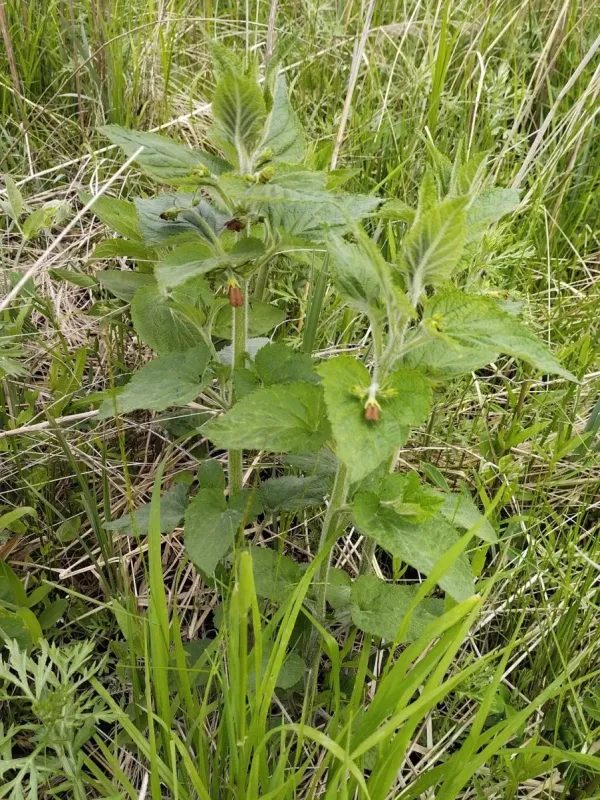
Description
Sowing dates
Sowing Scrophularia kakudensis is best performed in early spring when the soil temperature consistently reaches 10 to 12 degrees Celsius.
Seeds require a period of cold stratification to break dormancy and ensure a high germination rate during the initial growth phase.
The planting depth should be shallow, approximately 0.5 to 1 cm, as the seeds need a certain amount of light to initiate the germination process.
Row spacing should be maintained at 50-60 cm to allow for efficient irrigation and manual or mechanical weeding throughout the season.
Thinning is necessary once the seedlings emerge to ensure that each plant has enough space to develop a robust root system.
Growing requirements
This species naturally thrives in moisture-rich environments, requiring consistent soil hydration throughout its vegetative growth period.
Scrophularia kakudensis prefers deep, loamy soils that are rich in organic matter and have a neutral or slightly acidic pH level.
While the plant tolerates partial shade, it achieves the best results in full sun provided that soil moisture levels are carefully managed.
It is sensitive to waterlogging, so proper field drainage is essential to prevent the development of root-related issues in the crop.
Regular soil cultivation between the rows is recommended to promote aeration and help the plant reach its full biomass potential.
Yield
The yield of Scrophularia kakudensis is measured primarily by the weight of dried roots and aerial parts collected during the harvesting season.
Under optimal conditions, the crop can produce a sustainable yield that justifies the intensive labor required for its cultivation.
Strategic application of nitrogen and phosphorus fertilizers can significantly increase the total dry weight yield per hectare.
The plant demonstrates its highest productivity levels during the second year of cultivation as the root system reaches maturity.
Farmers should monitor the growth progress to determine the exact timing of harvest to maximize the concentration of active medicinal compounds.
Main diseases and pests
Powdery mildew is a primary concern in humid environments and can rapidly affect the quality of the harvested aerial components.
Various sucking insects, including aphids, may pose a risk to the plant during early summer, requiring vigilant monitoring and management.
Root rot, often caused by pathogens in poorly drained soils, can cause sudden and significant losses within the planting area.
Integrated pest management practices, including crop rotation and the use of resistant varieties, are recommended for long-term health.
Maintaining clean planting rows and removing debris can help minimize the spread of fungal spores and harmful pest populations.
Harvesting
Aerial parts are harvested during the flowering stage, which is critical for ensuring the potency of the herbal extracts produced.
The root harvest is conducted in late autumn once the plants have entered a state of dormancy and the foliage has naturally withered.
Harvested roots must be washed thoroughly to remove any soil contamination before they are chopped and prepared for the drying process.
Drying is performed in climate-controlled environments at temperatures not exceeding 45 degrees Celsius to preserve the phytochemical profile.
Storage should occur in breathable containers placed in a dark, dry location to prevent the degradation of stored active ingredients.