
Scrophularia macrantha
Scrophularia macrantha Greene ex Stiefelh.
Description
Sowing dates
Scrophularia macrantha is typically propagated by seeds. Sowing is best performed in the spring when soil temperatures have stabilized. Direct sowing into open beds should be done once the threat of frost has passed, usually between late April and May.
For earlier blooms, seeds can be started indoors in trays during late winter. Providing artificial lighting and a controlled temperature environment ensures strong seedlings, which can be transplanted outdoors after the hardening-off period.
Seeds of this species are small, requiring only light pressing onto the surface of a sterile potting mix. A thin layer of fine vermiculite or sand can be used to keep them in place while allowing sufficient light for germination, which is a key factor for this genus.
Transplanting should occur when the seedlings develop two or three sets of true leaves. Gentle handling of the root ball is essential to prevent shock, as the plant prefers stability once it begins to establish its root system in the permanent location.
Spacing requirements depend on the intended aesthetic effect, but providing at least 45–50 cm between plants is recommended. This spacing facilitates proper air circulation, which helps reduce the humidity levels that the plant dislikes.
Growing requirements
Scrophularia macrantha is a member of the Scrophulariaceae family, native to the rugged terrains of North America, specifically parts of New Mexico and Arizona. This heritage makes the plant naturally adapted to rocky and well-draining environments.
Regarding soil, the plant is highly sensitive to moisture retention. It thrives in gravelly or sandy soils that allow water to drain instantly. Heavy clay or compacted soils are unsuitable unless amended with significant amounts of grit or organic material to improve drainage.
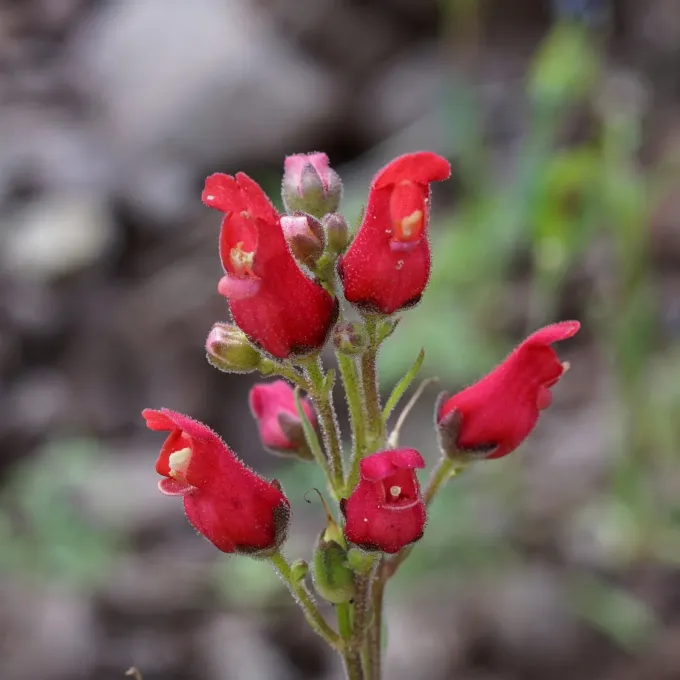
Full sun is required for optimal performance. While the plant can survive in partial shade, the best floral display, characterized by its deep red tubular flowers, occurs in areas that receive at least 6 to 8 hours of direct sunlight daily.
While drought-tolerant once established, Scrophularia macrantha benefits from occasional irrigation during prolonged dry spells. Overwatering is the most common cause of failure in gardens; therefore, irrigation should be focused on the base rather than the foliage.
Winter hardiness is moderate, and the plant appreciates a protective layer of mulch in colder climates. In regions with freezing winters, ensuring the soil is well-drained during the thaw is critical to prevent root rot as the ground warms up.
Main diseases and pests
The primary threat to the health of Scrophularia macrantha is root rot, frequently triggered by excessively wet soils or poor drainage. This fungal issue can be devastating, often showing symptoms only when the plant begins to wilt permanently.
Insects like aphids or spider mites may occasionally infest the plants, particularly during dry, hot summers. These pests can weaken the plant by feeding on sap, often congregating on the undersides of leaves or at the growing tips of the stalks.
Effective management includes keeping the garden bed free of debris and weeds, which often serve as hosts for both pests and pathogens. Improving air circulation around the plants is a simple but vital strategy to minimize the spread of fungal spores.
If chemical interventions are necessary, organic options such as insecticidal soaps or neem oil are preferred to control minor infestations of pests without disrupting the local garden ecology or beneficial insect populations.
Monitoring the plant for signs of stress is crucial throughout the growing season. If the lower leaves turn yellow or the stalks appear soft, immediate inspection of the root zone and adjustments to the irrigation schedule are recommended.