
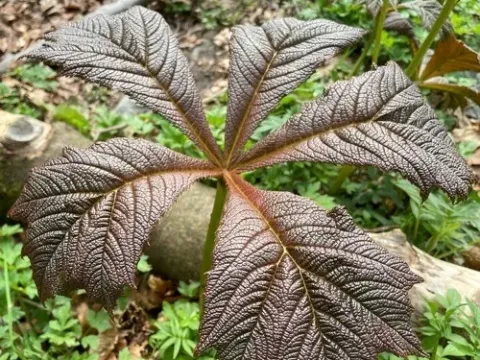
Rodgersia
Rodgersia A. Gray
Rodgersia is a genus of majestic perennial plants belonging to the Saxifragaceae family, native to the temperate regions of East Asia, including China and Japan.
What the section contains

Rodgersia
Propagation is primarily achieved through rhizome division, which is best performed in early spring or autumn to ensure robust root development before seasonal extremes.
Seed propagation is also possible, though it requires specific conditions such as cold stratification to break seed dormancy and promote uniform germination rates.
When dividing the plant, gardeners must ensure that each segment contains several healthy growth buds to facilitate successful establishment in the new planting site.
Once established, the plant develops an extensive root system, making it a reliable perennial that can occupy the same area for many years with minimal intervention.
The core requirement for successful Rodgersia cultivation is consistent soil moisture, as these plants thrive in damp, humus-rich soils near ponds or in shaded garden beds.
They prefer sheltered locations with partial shade, as their large, complex foliage is sensitive to scorching from direct sun and wind-induced damage to the stems.
Soil quality should be enriched with organic matter like compost or well-rotted manure to provide the necessary nutrients for the plant's significant biomass production.
Although hardy, the plants benefit from mulching during the winter months, which protects the rhizomes from freezing temperatures and preserves soil moisture during the spring thaw.
Regular irrigation is essential during dry spells, as the plant's broad leaf surface area leads to high transpiration rates, requiring a steady water supply.
While generally resilient, Rodgersia can be prone to slug and snail infestations, which can rapidly disfigure the leaves, especially during wet and cool growing seasons.
Fungal diseases like leaf spots may occur in environments with poor air circulation or stagnant humidity, necessitating the removal of affected foliage to prevent spread.
Root rot is a significant risk in heavy, waterlogged soils where oxygen availability to the root zone is severely limited, emphasizing the need for proper drainage.
Integrated pest management strategies, such as physical barriers against mollusks and the use of copper-based products, effectively mitigate common pest issues.
Keeping the planting area free of dense weeds and debris reduces the habitat for potential pests and improves overall plant vigor through better airflow.