
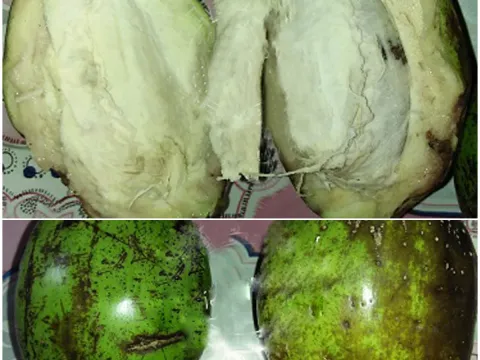
Palaquium rostratum
Palaquium rostratum
Palaquium rostratum is a member of the Sapotaceae family, characterized as a robust evergreen tree native to the tropical rainforests of Southeast Asia. It plays a significant role in the local ecology and economy.
What the section contains
Palaquium rostratum
The tree thrives in tropical climates with consistently high temperatures and abundant rainfall throughout the year. It does not possess any mechanisms to survive significant frost or prolonged dry spells, making its distribution strictly localized.
For optimal growth, Palaquium rostratum requires deep, fertile, and well-drained soils. Rich loam or forest soil with high organic content provides the necessary nutrients for the tree to reach its full potential height and diameter.
High relative humidity is essential for the tree's physiological processes. In cultivation settings, it is often necessary to plant them within an agroforestry system that provides partial shade for young saplings to avoid excessive transpiration.
Agronomic management focuses on monitoring soil moisture levels and ensuring that the plantation environment mimics the natural forest structure, which reduces plant stress and promotes healthy vegetative growth.
The primary economic value of this species lies in its latex, which is a source of gutta-percha. Extraction is performed through controlled tapping of the trunk, a method that requires precision to ensure the longevity of the tree.
The quality of the harvested latex is influenced by the genetic background of the tree and the specific environmental conditions of the plantation site. Tapping must be done at appropriate intervals to prevent plant exhaustion.
Besides latex, the timber of Palaquium rostratum is highly regarded for its durability and resistance to biological decay. It is widely used in construction and the manufacturing of heavy-duty furniture and specialized woodcrafts.
Sustainable harvesting techniques are paramount in managing these trees. Proper wound management after tapping prevents infections from fungal pathogens and pests, ensuring the tree remains productive for decades.
Systematic record-keeping of tree age and yield history allows managers to optimize the harvesting cycles, balancing the immediate economic gain with the long-term sustainability of the forestry project.