
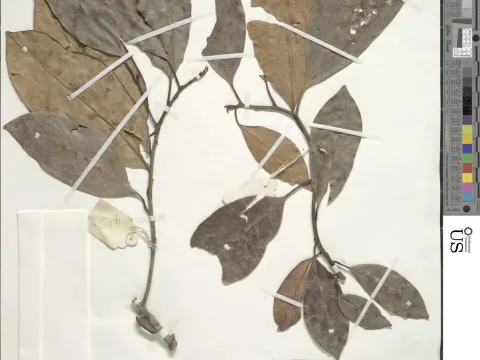
Palaquium pauciflorum
Palaquium pauciflorum
Palaquium pauciflorum is an evergreen tree species belonging to the Sapotaceae family, typical of lowland tropical rainforests. It requires a stable, humid environment with consistent precipitation throughout the year to maintain its physiological functions.
What the section contains
Palaquium pauciflorum
The preferred soil type for this crop is deep, fertile, and organic-rich, characterized by excellent drainage properties. While the tree thrives in moisture, it is intolerant of waterlogged soils, which can lead to rapid decay of the root system and plant decline.
In terms of light requirements, the species shows a preference for canopy shade during its early developmental stages. As the tree matures, it can tolerate more exposure, but intense direct sunlight can lead to thermal stress and dehydration in the foliage.
Climate stability is paramount for this species, as it is poorly adapted to significant temperature fluctuations. Maintaining a temperature range between 22°C and 30°C is ideal for promoting healthy growth and sustaining the production of secondary metabolites within the tree.
Economic utility is centered around the extraction of latex and the harvesting of timber. Given its taxonomic relationship to other latex-producing trees, Palaquium pauciflorum is of significant interest for reforestation projects and sustainable agroforestry in tropical zones.
Fungal pathogens remain the primary threat to Palaquium pauciflorum, particularly in environments where air circulation is restricted. High humidity levels often trigger leaf spot diseases that reduce the photosynthetic capacity of the tree.
Pest pressure from borers and various coleopteran species is a persistent concern for forestry management. These insects bore into the trunk, potentially disrupting vascular pathways and introducing systemic infections that can prove fatal to the tree.
Root rot, often associated with soil-borne fungi, occurs primarily in instances of poor drainage or seasonal flooding. Once established, these infections are difficult to eradicate and typically require the removal of affected individuals to prevent spread.
Defoliating insects can cause severe damage during peak seasons, leading to reduced growth rates and susceptibility to opportunistic pathogens. Integrated pest management strategies are often required to maintain tree health in dense plantations.
Environmental degradation and the destruction of primary forest habitats pose a long-term risk to the species' survival. Conserving these trees involves not only agricultural management but also the preservation of the local ecosystem's structural integrity.