
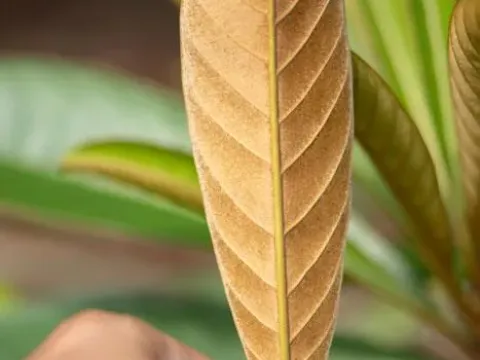
Palaquium philippense
Palaquium philippense
Palaquium philippense is primarily propagated via seeds. It is crucial to sow the seeds immediately after collection, as they are recalcitrant and rapidly lose viability upon drying.
What the section contains
Palaquium philippense
Seed preparation is typically handled in specialized nurseries where moisture levels are strictly monitored to ensure a high germination rate during the first few weeks.
Seedlings are transplanted to the field once they reach a height of 30–50 cm. This stage requires careful root management to prevent transplant shock in the young tropical trees.
The optimal planting window is at the onset of the rainy season, allowing the plants to establish their root systems before the onset of any potential dry spells.
Spacing patterns vary based on the plantation's goals; higher densities are used for wood production, while wider spacing is preferred for fruit or latex harvesting.
This species belongs to the Sapotaceae family and is native to the humid tropical forests. The tree thrives under conditions of consistently high temperatures throughout the year.
A significant amount of annual rainfall and high relative humidity are essential for the healthy growth and development of Palaquium philippense, as it does not tolerate arid conditions.
The soil must be deep, fertile, and exhibit excellent drainage properties. Waterlogged conditions are detrimental to the root system and should be avoided when selecting a site.
Protection from high winds is necessary, as the tree's canopy can be damaged, affecting both the physical integrity of the tree and its natural pollination process.
While seedlings require shade to prevent heat stress, mature trees demand full sunlight to maximize photosynthetic activity and overall biomass production.
The primary economic output is gutta-percha, a natural polymer extracted from the bark's latex. Yields are heavily dependent on the tree's age and correct tapping techniques.
The fruits of this tree are edible and possess significant local culinary value, often being utilized for their unique fat content in various regional preparations.
The wood of Palaquium philippense is highly regarded for its durability and structural strength, making it a valuable secondary product during planned harvest rotations.
Economic maturity for a plantation is typically reached after 10 to 15 years, requiring long-term planning and investment in site maintenance and tree health.
Overall yield is optimized through integrated forest management practices that balance the extraction of latex, fruit harvesting, and eventual timber production.
Fungal pathogens represent the most significant threat to plantations, especially when poor tapping techniques leave the inner bark exposed to infection.
Root rot is a major issue in poorly drained soils. Excess moisture inhibits root respiration and encourages the proliferation of opportunistic soil-borne pathogens.
Various stem-boring insects can cause extensive damage to young plantations, weakening the trees and potentially leading to the loss of entire stands if left unchecked.
Aphids and other sap-sucking insects frequently target young foliage in nursery settings, leading to stunted growth and increased susceptibility to secondary infections.
Maintaining high forest hygiene, including the removal of infected branches and monitoring for early pest signs, is essential for sustainable plantation management.
Latex harvesting is performed through careful incision of the bark, a skill-intensive process designed to maximize extraction while ensuring the tree's survival.
Fruit harvesting is a manual process conducted once the fruits reach full maturity. Because ripening is often asynchronous, multiple passes across the plantation are necessary.
Timber harvesting is usually conducted as part of selective logging or plantation thinning, ensuring that older trees are replaced by younger stock to maintain productivity.
Post-harvest handling is critical due to the tropical environment, requiring prompt processing or storage solutions to prevent rapid spoilage of fruits and latex quality loss.
Sustainable harvesting protocols are essential to balance immediate financial returns with the long-term ecological health of the Palaquium philippense stand.