
Palaquium petiolare
Palaquium petiolare
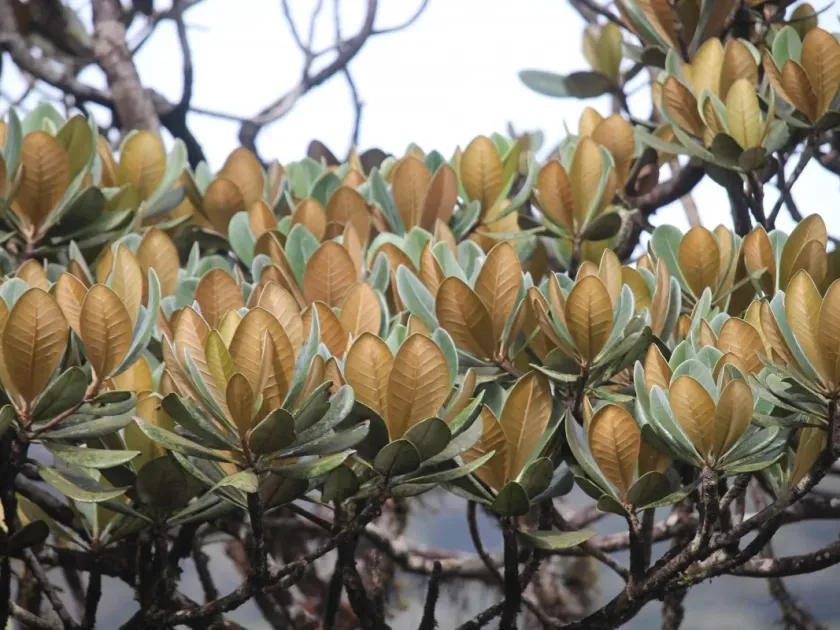
Description
Growing requirements
Palaquium petiolare is a notable species within the Sapotaceae family. This evergreen tree is native to the tropical forests of the Philippines, thriving in highly competitive and biologically diverse forest environments.
The tree requires a tropical climate with consistent temperatures and high annual rainfall. It is intolerant of frost and extreme temperature fluctuations, making it suitable only for specific tropical agricultural zones that mimic its natural habitat.
Optimal growth conditions involve deep, well-drained, and nutrient-rich soils. The plant shows a preference for clay-loam substrates, provided there is adequate subsurface drainage to prevent the root suffocation common in waterlogged areas.
Regarding agrotechnical practices, establishing young saplings requires a period of partial shading. This practice simulates the natural forest floor light levels, preventing leaf scorch and promoting healthier vegetative development during the first years of the tree's life.
The economic value of this species is primarily derived from its ability to yield gutta-percha, a natural latex extracted from the bark. This material is historically significant for its use in submarine cable insulation, dentistry, and technical moldings.
Main diseases and pests
Fungal pathogens represent a significant threat to Palaquium petiolare, particularly when plantations are managed with high humidity levels. Root rot and bark decay are the most common consequences of poor drainage and sanitation.
Wood-boring insects present a persistent problem for established plantations. Their larvae create tunnels within the timber, which significantly compromises the structural integrity of the tree and reduces the yield of the latex-producing bark tissues.
Leaf-feeding insects can cause extensive defoliation in young nursery plants. This damage depletes the energy reserves of the saplings, often leading to stunted growth or increased vulnerability to secondary infections.
Disease management relies heavily on prevention. Maintaining adequate tree spacing ensures sufficient airflow throughout the plantation canopy, which helps in drying out the leaf surface and reducing the viability of fungal spores.
Integrated pest management strategies involve regular monitoring for signs of insect infestation or canopy distress. Removal and destruction of highly infected trees are recommended to minimize the impact of pests on the healthy parts of the stand.