
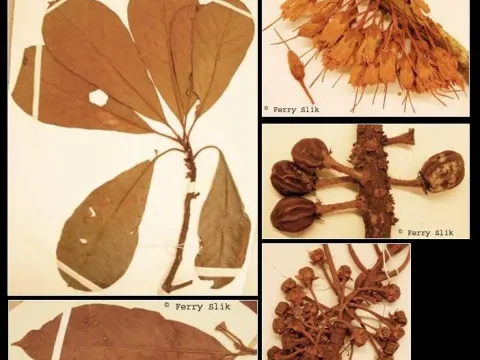
Palaquium quercifolium
Palaquium quercifolium
Palaquium quercifolium is a prominent member of the Sapotaceae family. Native to the tropical rainforests of Southeast Asia, it is a sturdy evergreen tree adapted to high-humidity environments.
What the section contains
Palaquium quercifolium
The tree thrives in stable tropical climates where temperatures rarely drop below 20 degrees Celsius. Consistent warmth and high annual rainfall are essential for the healthy physiological development of the plant.
Regarding soil requirements, the species prefers deep, nutrient-rich loamy soils with high organic content. Excellent drainage is non-negotiable, as waterlogged conditions lead to rapid root decay and plant mortality.
Cultivation practices involve creating a protective canopy or selecting sites sheltered from extreme winds. Soil pH levels should ideally be maintained in the slightly acidic to neutral range to optimize nutrient uptake.
Regular monitoring of seedling development is necessary during the first three years of growth, ensuring sufficient space between individuals to prevent overcrowding and resource competition.
The primary economic output of this culture includes high-quality timber used in fine furniture manufacturing. The wood is prized for its durability, fine grain, and resistance to environmental stress.
Latex harvesting constitutes a traditional and industrial use of the species. Through controlled tapping of the trunk, sustainable yields can be maintained over the mature tree's lifespan.
Oil-rich seeds serve as a secondary commercial product. These oils are often utilized in specialized local industries, adding to the diversified income potential of the plantation.
Mature trees demonstrate consistent biomass accumulation, provided that soil fertility is managed through organic amendments or targeted fertilizer applications.
The harvest cycle requires a long-term strategic approach. By ensuring trees are spaced correctly and pruned to encourage vertical growth, growers can maximize timber density and resin quality.
Fungal infections of the root system represent the most significant threat to Palaquium quercifolium plantations. Effective site drainage is the primary defense against these pathogens.
Leaf-spot diseases may emerge in regions with stagnant, hyper-humid air. Thinning branches and ensuring proper ventilation within the plantation are essential for reducing infection rates.
Boring insects and wood-eating pests can cause substantial damage to the trunk, significantly depreciating the timber value. Early identification through regular inspection is critical for mitigation.
Pest management programs should prioritize integrated strategies, utilizing natural predators to control insect populations before resorting to chemical interventions.
Strict sanitation protocols, including the immediate removal of fallen plant debris and diseased limbs, significantly reduce the reservoir of potential pathogens within the growing area.