
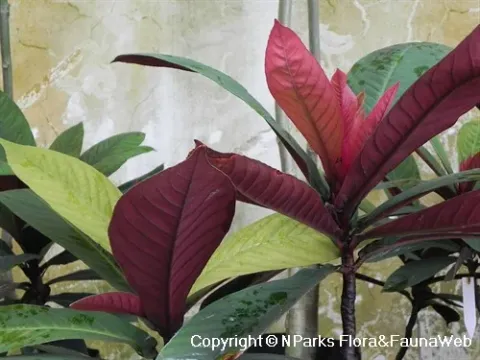
Palaquium maingayi
Palaquium maingayi
Palaquium maingayi is an evergreen tropical tree belonging to the Sapotaceae family. It is a native species of the rainforests in Southeast Asia, particularly thriving in the equatorial regions of Malaysia and Indonesia, where it forms part of the dense forest canopy.
What the section contains
Palaquium maingayi
The species requires a strictly tropical climate to flourish. Optimal conditions include high average temperatures throughout the year and consistent, heavy rainfall. It cannot tolerate cold or significant temperature fluctuations, which makes it suitable only for specific tropical belts.
Soil requirements for this culture involve deep, well-drained, and nutrient-rich substrates. While the plant loves humidity, it is intolerant to waterlogged soil; therefore, selecting sites with natural drainage or creating artificial terraces is crucial for successful plantation development.
As a forest-dwelling tree, young Palaquium maingayi specimens require partial shade to protect them from direct, intense sunlight. Agroforestry systems that provide structural shading are ideal for establishing healthy and productive groves.
Biological resilience in this species is tied to the stability of its environment. Proper cultivation involves mimicking the multilayered forest structure, which prevents soil erosion and maintains the required humidity levels around the root zone.
The primary economic value of Palaquium maingayi lies in its latex, which is processed to extract guttapercha. This natural polymer is highly valued in various industries for its excellent electrical insulation properties and stability in chemical applications.
The wood derived from the tree is known for its density and durability. When managed properly, the species provides both high-quality timber and latex, making it a dual-purpose asset for sustainable tropical forestry operations.
Latex harvesting is performed via systematic tapping of the tree trunks. The yield volume is significantly influenced by the maturity of the tree, the time of year, and the specific physiological health of the individual specimen during the tapping season.
Due to the relatively slow growth rate of the tree, cultivation is a long-term investment. Yield optimization is achieved through careful selection of high-producing genetic lines and the implementation of best practices in tree management and tapping intervals.
Beyond industrial output, the cultivation of this species supports local ecosystems. It is often included in reforestation projects, as it provides habitat for biodiversity while simultaneously offering a sustainable source of income for local communities.
The most significant threats to Palaquium maingayi include soil-borne fungal pathogens, which proliferate in poorly drained soils. Excessive moisture on the bark can also invite parasitic epiphytes, which compete with the tree for nutrients and light.
Pests such as wood-boring beetles and certain defoliating insects can cause substantial damage to young plantations. Integrated pest management (IPM) is essential, focusing on early detection and maintaining the general health of the plantation to boost natural resistance.
Habitat loss and deforestation represent major existential risks to the species in its natural environment. Preservation programs and the promotion of sustainable plantations are critical strategies to prevent the decline of this valuable genetic resource.
Climate change, manifesting as prolonged drought periods, disrupts the physiological processes required for latex production. Adapting irrigation techniques and soil moisture management is becoming an increasingly important agronomic challenge.
Control measures for diseases emphasize proper tree spacing to ensure good air circulation. Chemical intervention is generally kept to a minimum to comply with environmental sustainability standards and to preserve the health of the surrounding tropical ecosystem.