
Palaquium luzoniense
Palaquium luzoniense
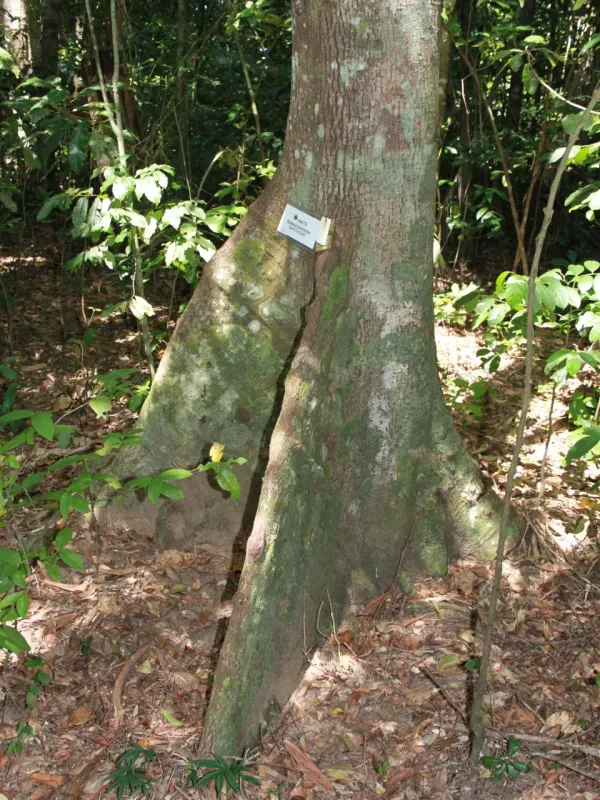
Description
Growing requirements
Palaquium luzoniense is a prominent evergreen tree belonging to the Sapotaceae family. It is a key component of tropical rain forests in its native range, where it often reaches a massive canopy height.
The species thrives in humid tropical climates characterized by high annual rainfall. It requires consistent warm temperatures between +22 and +30 degrees Celsius and is highly susceptible to chilling injury in colder environments.
Well-drained, fertile, and organic-rich soils are essential for its healthy development. Waterlogging is detrimental to the root system, so selecting sites with natural slopes or efficient drainage infrastructure is mandatory.
The natural range of this tree is concentrated in the Philippines and surrounding regions of Southeast Asia. In young plantations, partial shading is often utilized to protect seedlings from excessive direct sunlight.
Botanically, it is identified by its leathery, simple leaves and milky latex-containing sap. The fruit is a fleshy berry, which contains seeds used for propagation in forestry and commercial plantations.
Yield
The primary economic value of Palaquium luzoniense lies in its high-quality timber. The wood is widely utilized in the furniture and construction industries due to its durability, strength, and favorable grain patterns.
Historically, the species was a significant source of gutta-percha, a natural polymer harvested from its milky sap. While synthetic materials have replaced it in many applications, it remains a biological resource of historical and scientific interest.
Timber yield is determined by the long-term management cycle of the plantation. Because the tree requires decades to reach maturity, investment strategies must be planned with a focus on sustainable harvesting cycles.
While not a primary commercial food crop, the fruits support local biodiversity by providing sustenance for various bird and animal species. This ecological role is an asset for maintaining healthy forest ecosystems.
The productivity of the plantation depends on proper spacing and silvicultural practices that optimize growth rates and ensure tree vigor throughout its multi-year development cycle.
Main diseases and pests
Common agricultural threats include stem-boring insects and termites, which can compromise the structural integrity of the timber. Regular monitoring is essential to prevent significant infestations that reduce wood quality.
Fungal infections, particularly root and trunk rots, pose a serious risk in high-humidity areas. Improving air circulation and maintaining proper soil drainage are effective strategies for mitigating these pathogen outbreaks.
Soil-borne nematodes can hinder the growth of young saplings, leading to stunted development and nutrient deficiencies. Implementing rigorous site preparation can help minimize the impact of these pests.
Aggressive vines and epiphytic plants can outcompete young Palaquium trees for light and nutrients. Regular maintenance of the plantation, including the clearing of surrounding weeds, is critical during the initial growth years.
Anthropogenic factors, including deforestation and land conversion, represent the greatest threat to wild populations, necessitating proactive conservation and sustainable harvesting protocols.