
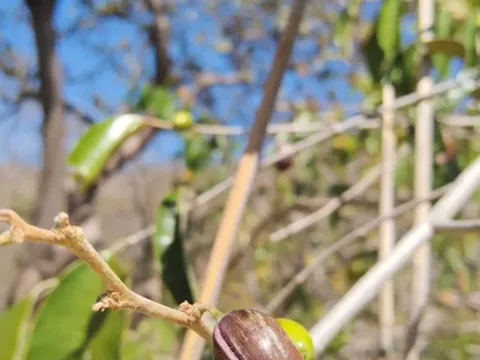
Mexican star apple
Chrysophyllum mexicanum
The Mexican star apple (Chrysophyllum mexicanum) is a prominent member of the Sapotaceae family, characterized by its evergreen foliage and distinct fruit production. It is a slow-growing tree that integrates well into both wild forest ecosystems and managed tropical orchards.
What the section contains
Mexican star apple
Originating from Mexico and parts of Central America, this species is highly adapted to tropical and subtropical climates. It thrives in regions with warm temperatures, requiring protection from frost and extreme cold spells which can damage its vegetative tissues.
The ideal soil conditions involve deep, well-drained, and nutrient-rich soils. While the plant shows some tolerance to various soil textures, it flourishes best in substrates that provide adequate aeration to the roots, preventing hypoxia during heavy rainfall.
Agronomic management focuses on consistent irrigation during dry months to maintain steady growth rates. Fertilizer application should be focused on organic matter, which enhances soil structure and provides essential micronutrients required for fruit set and development.
The tree is economically significant for its edible berries and high-quality timber. Additionally, it serves as an excellent candidate for reforestation projects and agroforestry systems due to its ability to provide shade and stabilize the soil structure.
The primary threats include infestations by scale insects and mealybugs, which are common sap-sucking pests in tropical climates. These pests can cause chlorosis and premature leaf drop if infestations remain unchecked.
Pathogenic fungi, particularly those causing root rots, represent a major threat when agricultural plots are prone to waterlogging. Implementing proper drainage systems and sanitation practices is essential to minimize the risk of such soil-borne diseases.