
Manilkara kauki
Manilkara kauki
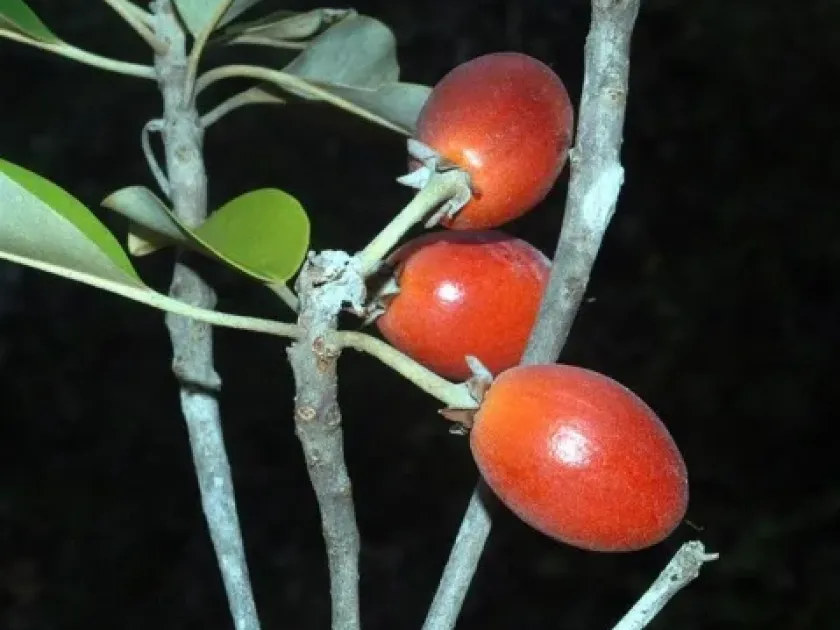
Description
Growing requirements
Manilkara kauki is an evergreen tree species belonging to the Sapotaceae family, native to tropical regions ranging from Southeast Asia to Northern Australia.
The tree is recognized for its dense, glossy foliage and slow growth habit, often reaching significant heights when cultivated in favorable tropical environments.
For optimal growth, it requires a warm climate with consistent humidity, as it is highly sensitive to frost and cool temperatures typical of temperate zones.
The ideal soil for this crop should be well-drained, fertile, and slightly acidic, though it displays a remarkable tolerance to coastal saline soils.
Full sun exposure is crucial for the development of a strong canopy, which significantly influences the tree's ability to produce high-quality fruits in commercial orchards.
Yield
The fruit of Manilkara kauki is small, sweet, and fleshy, often consumed fresh or processed into local culinary products throughout its natural distribution range.
Harvesting requires precision, as the fruits must be picked at the optimal stage of ripeness to ensure the best sugar content and texture for the market.
Beyond its edible properties, the species is widely known for its exceptionally hard and durable timber, which is highly sought after for high-end construction and furniture.
The timber's natural resistance to decay and termites makes it a preferred choice for long-lasting exterior and interior woodworks in tropical climates.
Economically, the tree offers a dual advantage as both a fruit-bearing plant and a source of high-quality, dense wood, supporting sustainable forestry practices.
Main diseases and pests
In humid tropical conditions, the primary threats involve fungal infections that target both the root system and the foliage, often exacerbated by poor drainage.
Insect pests, such as scales and mealybugs, are common challenges that can stunt the growth of young plants and reduce the overall yield of the tree.
Integrated pest management strategies, including regular pruning and thinning, are essential to maintain airflow and minimize the spread of potential pathogens.
Soil quality management through organic fertilization helps the tree develop a robust root system, which acts as a defense mechanism against opportunistic diseases.
Proper field sanitation, such as removing fallen leaves and twigs, effectively reduces the populations of pests that hibernate within the orchard environment.