
Manilkara mochisia
Manilkara mochisia
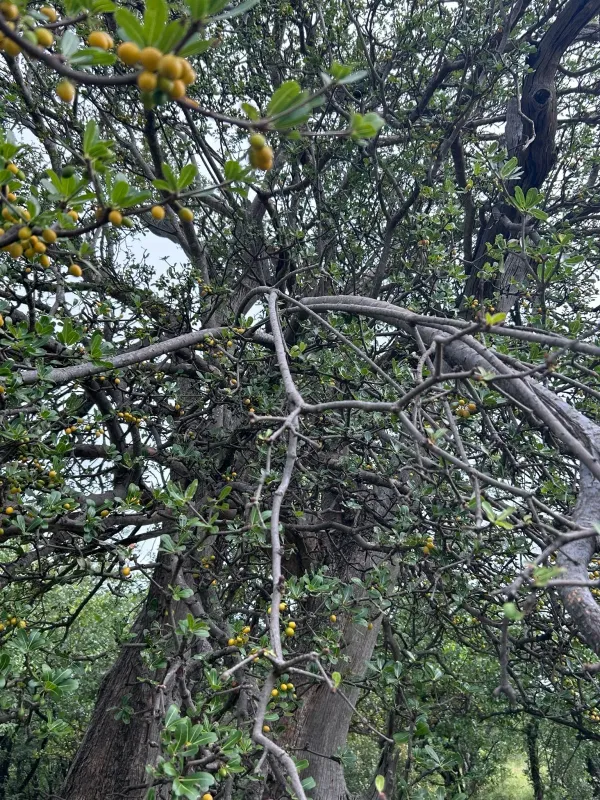
Description
Growing requirements
Manilkara mochisia is a distinct perennial tree species belonging to the Sapotaceae family. Native to tropical regions of Africa, this plant is well-regarded for its adaptability to dry tropical forests and woodland environments.
The tree thrives in climates characterized by distinct wet and dry seasons. It requires abundant sunlight and is typically found in habitats where the soil is well-drained, preventing waterlogging that can harm the root system.
Soil preferences for Manilkara mochisia include sandy or loamy textures that allow for deep root penetration. While it is tolerant of moisture stress, supplementary irrigation during the early development stages can significantly improve plant vitality.
Agronomic management involves periodic canopy thinning to encourage fruit production and maintain tree health. This species is often utilized in agroforestry systems because of its ability to survive in environments where other fruit-bearing crops might fail.
Botanically, the species is distinguished by its durable wood and high-nutrient fruits. It plays a significant role in local ecosystems and sustainable agriculture practices in its native range due to its hardy nature and moderate maintenance requirements.
Harvesting
Harvesting Manilkara mochisia is traditionally conducted by collecting ripe fruits from the tree as they reach peak maturity. The fruits are highly valued for their sweet flavor and are frequently consumed fresh or processed into artisanal foods by local communities.