
Mimusops andamanensis
Mimusops andamanensis
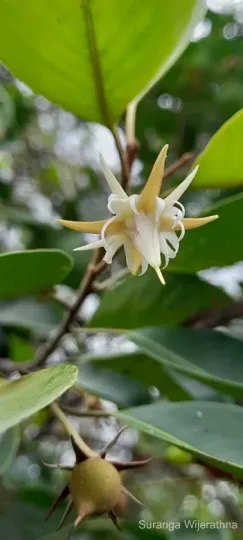
Description
Growing requirements
Mimusops andamanensis is a distinctive evergreen tree belonging to the Sapotaceae family, native to the Andaman Islands. Known for its robust growth and dense canopy, this species is well-adapted to the high-humidity environments typical of its original habitat.
Climate requirements for this culture are strict: it thrives only in tropical conditions with consistent temperatures that rarely fall below 20°C. High atmospheric humidity and absence of frosts are critical factors that determine the successful establishment and survival of this plant.
Regarding soil preferences, the plant demands well-drained, nutrient-rich substrates that can support deep root systems. Optimal soil pH should remain slightly acidic or neutral, as extreme alkalinity can lead to nutrient lockouts, affecting leaf development and fruit yield.
Agricultural management requires regular monitoring of soil moisture and fertility levels to ensure consistent vegetative growth. Providing enough sunlight is essential for the tree to maintain its density and structural integrity, especially during the early stages of cultivation.
The economic value of this tree lies in its wood quality and the potential use of its fruits in traditional diets. Its resilience in specific tropical environments makes it a species of interest for sustainable agroforestry programs in Southeast Asia.
Main diseases and pests
The primary threats to the health of Mimusops andamanensis involve fungal pathogens, particularly those triggered by excessive soil moisture and poor drainage. Root rot is a common issue that, if left untreated, can quickly lead to the decline of mature specimens.
Insect pests, such as aphids, mites, and various types of scale insects, frequently target the foliage and younger branches. Integrated pest management strategies, including biological control or targeted sprays, are essential to maintain plantation health.
Mechanical damage to the trunk can serve as an entry point for wood-boring insects, which significantly compromise the tree's structural stability over time. Prompt sealing of pruning wounds and physical protection of the main stem are recommended practices.
Nutrient deficiencies, specifically nitrogen and iron deficiencies, are common in poorly managed soils and lead to leaf chlorosis. Regular leaf tissue testing and corrective fertilization are vital to maintain the plant's photosynthetic capacity and overall vigor.
Invasive weed competition during the juvenile phase can stunt growth and increase susceptibility to environmental stress. Maintaining a cleared area around the base of each tree is a fundamental step in the early maintenance cycle.