
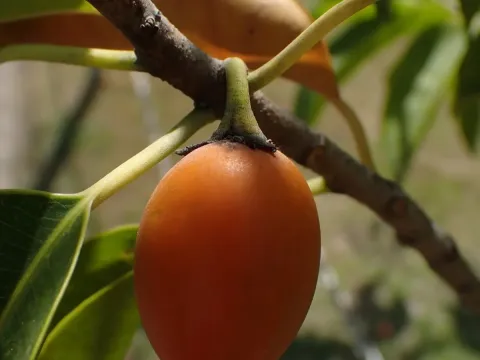
Mimusops
Mimusops
Mimusops, specifically the species Mimusops elengi, is primarily propagated through seeds, which must be sown in nutrient-rich, well-prepared nursery beds.
What the section contains

Mimusops
Seed viability is highest when fresh; therefore, planting should coincide with the beginning of the rainy season to utilize natural moisture for germination.
Seedlings require protection from intense sunlight during their initial growth stages and should be kept in a shaded environment until they are strong enough for field transplanting.
Vegetative propagation techniques, such as cuttings or grafting, are employed to ensure the uniformity of characteristics and to reduce the time to reach the first harvest.
When establishing a plantation, precise spacing is critical to allow adequate space for canopy expansion and to ensure optimal sunlight penetration for future yields.
As a member of the Sapotaceae family, the Mimusops tree thrives in tropical and subtropical regions characterized by stable temperatures and moderate to high rainfall.
The crop requires deep, fertile, and well-drained soils; while it shows some tolerance to different soil types, waterlogging remains a significant limiting factor for development.
Optimal growth occurs at temperatures ranging between 20°C and 30°C, as the plant is highly sensitive to frost and extreme cold, which can cause severe physiological damage.
Once the root system is well-established, the tree demonstrates impressive drought tolerance, though supplemental irrigation is beneficial for achieving consistent fruit production.
The tree prefers bright, sunny locations, as exposure to sufficient light is essential for robust growth and the production of fragrant flowers, which are commercially significant.
The Mimusops tree is highly valued for its versatile utility, with its small, fleshy fruits consumed raw or processed into various traditional culinary products.
The timber of Mimusops is renowned for its exceptional density, hardness, and durability, making it a preferred material for high-quality furniture and construction tools.
Extracts from the bark, leaves, and seeds are widely utilized in traditional medicine due to their antiseptic, astringent, and anti-inflammatory properties.
The flowers are famous for their persistent scent, and their essential oils are a valuable component in the perfume and cosmetic industries globally.
Ecologically, the tree serves as a shade-provider and a habitat for local fauna, contributing to the overall sustainability of tropical agricultural landscapes.
The main threats to the plant include fungal infections that tend to proliferate in conditions of high humidity, particularly when there is poor air circulation within the canopy.
Root rot, a common disease in poorly drained fields, can lead to stunted growth or total tree death if effective drainage systems are not implemented.
Pest management focuses on controlling leaf-eating larvae and scale insects, which can cause significant damage to the foliage and impact the tree's overall vigor.
Regular sanitation, including the pruning of infected or dead branches, is a crucial practice to minimize the spread of pathogens and keep the plant healthy.
The use of biological controls is encouraged to maintain ecological balance and ensure that the edible and medicinal parts of the tree remain free of chemical residues.
Harvesting the fruits is a manual process that typically occurs in stages, as ripening is asynchronous and depends on the specific microclimate of the tree.
Pickers determine readiness based on visual cues such as color changes and tactile indicators, as the fruits become softer and more aromatic when fully ripe.
Flower harvesting for industrial oil extraction is conducted during the early morning hours, when the concentration of aromatic compounds is at its highest point.
Post-harvest handling requires careful sorting and minimal processing to prevent bruising, as the ripe fruit has a relatively short shelf life at ambient temperatures.
Storage should be in cool, dry conditions with adequate airflow to prevent fungal growth and preserve the quality of the fruits for local consumption or sale.