
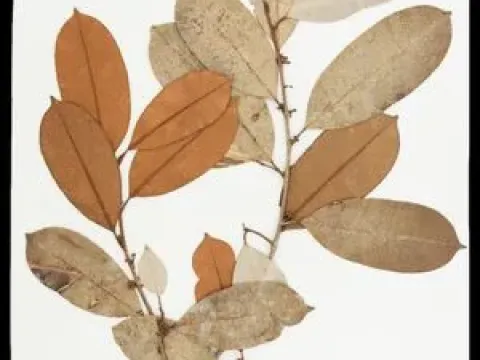
Micropholis
Micropholis
Micropholis is a genus of evergreen trees belonging to the Sapotaceae family. Native to the tropical regions of Central and South America, these trees thrive in the dense, humid environment of tropical rainforests.
What the section contains


Micropholis
These plants require a stable, warm climate throughout the year with significant annual rainfall. They prefer deep, well-draining soils that are rich in organic matter to support their extensive root systems.
From a botanical standpoint, the genus is recognized by the presence of latex within its tissues, simple leathery leaves arranged in an alternate pattern, and structurally complex wood with high durability.
The wood of Micropholis is highly valued in the local economy for construction, heavy-duty carpentry, and furniture production. Some species are also studied for their ecological role in maintaining biodiversity.
Young Micropholis trees are shade-tolerant, which allows them to persist in the understory until they can reach the canopy. As they mature, they require consistent access to sunlight to maximize their growth potential.
Fungal infections pose a major risk to Micropholis trees, particularly root rots and stem decays caused by the high humidity characteristic of their natural habitat.
Wood-boring insects, including various species of beetles, present a constant threat to the structural integrity of the trunks, significantly impacting the quality of the harvested timber.
Termite infestations are common in tropical environments, often targeting the bark and sapwood of weakened trees, leading to secondary damage and decline.
Habitat loss due to large-scale deforestation and agricultural expansion is the primary threat to the long-term sustainability of many Micropholis populations in the wild.
Effective management requires sustainable forest harvesting practices and strict phytosanitary monitoring to prevent the spread of diseases within timber stands.