
Manilkara sansibarensis
Manilkara sansibarensis
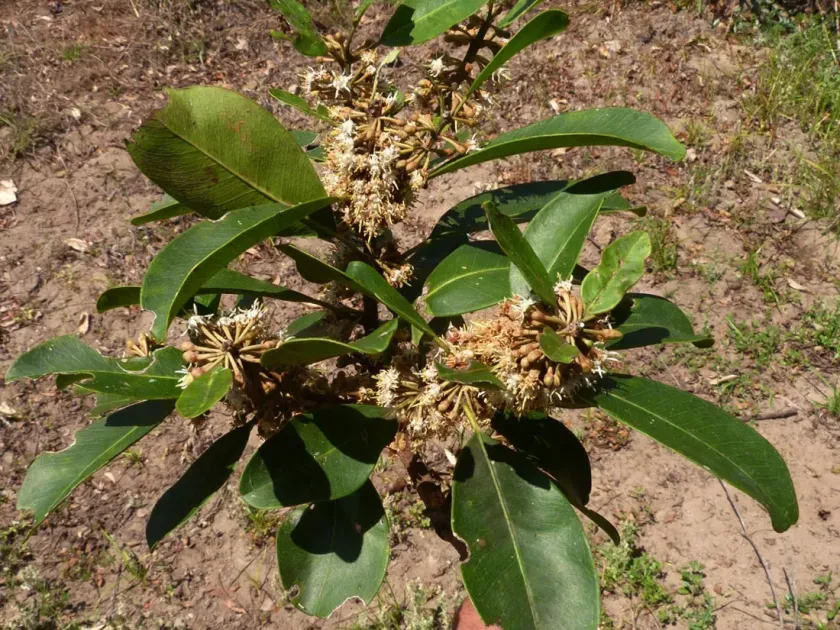
Description
Growing requirements
Manilkara sansibarensis is a prominent evergreen tree species belonging to the Sapotaceae family. Native to the coastal regions of East Africa, this tree is highly valued for its ecological contribution and its robust wood, which serves as a significant resource in its natural habitat.
The culture thrives in tropical environments characterized by high humidity and consistent warmth. It requires deep, well-drained soils that allow for extensive root development, as the tree is sensitive to waterlogging which can inhibit its primary growth stages.
Agricultural success with this species depends on selecting sites with good sunlight exposure, although juvenile trees show some adaptation to light shade. Proper soil management and periodic organic enrichment are essential to maintain the fertility required for the tree to reach maturity.
Cultivation practices involve regular monitoring of the soil moisture levels and ensuring adequate spacing to prevent competitive stress between specimens. Pruning is typically performed to promote structural integrity and to remove any deadwood that might harbor pathogens.
The economic utility of Manilkara sansibarensis is primarily focused on its durable timber, which is sought after for specialized wood products. Furthermore, the tree plays a vital role in local agroforestry systems, contributing to soil stabilization and biodiversity conservation.
Main diseases and pests
Pathogenic fungi represent a primary threat to the health of the trees, especially in areas with poor ventilation or stagnant water conditions. Preventive measures include ensuring proper canopy density and managing the plantation environment to reduce spore accumulation.
Insect pests, particularly wood-boring beetles, pose a major risk to the structural value of the timber. Integrated pest management strategies are advised to protect the yield, focusing on both cultural control and early detection of infestations.