
Randia
Randia
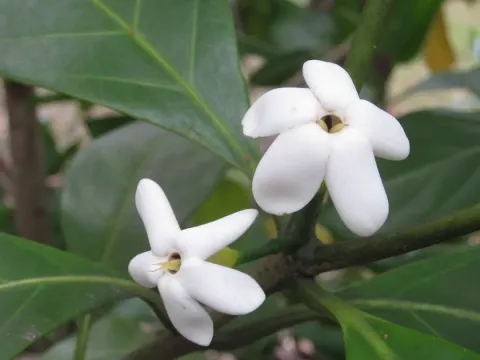
Randia is a diverse genus of flowering plants belonging to the Rubiaceae family. These plants are primarily evergreen shrubs or small trees native to the tropical and subtropical regions of Africa, Asia, and the Americas.
What the section contains


Randia
For healthy growth, Randia requires stable, warm temperatures that do not fall below 15-18°C. The culture is highly sensitive to sudden temperature fluctuations and drafts, which is why it is grown exclusively in greenhouses or as a houseplant in temperate climate zones.
The plant prefers well-drained, fertile soil with an acidic to neutral pH. A critical factor in successful cultivation is maintaining consistent soil moisture while ensuring proper drainage to prevent root rot, which is a frequent issue in poorly aerated containers.
Randia thrives in bright, indirect light, as direct sunlight can easily scorch the foliage. During the autumn and winter months, when daylight is limited, the use of specialized grow lights is recommended to sustain vigorous vegetative development.
The economic value of Randia is primarily rooted in ornamental horticulture, valued for its fragrant, aesthetically pleasing flowers. In certain regions, specific species are traditionally utilized as sources of tannins or in local folk medicine practices.
The most common pests affecting this culture in indoor environments are spider mites and scale insects. Effective management involves regular inspection of the undersides of leaves and the application of appropriate acaricides at the first signs of infestation.
Fungal diseases, such as root rot and leaf spot, typically arise from improper watering practices and inadequate air circulation. Proactive measures include disinfecting the potting substrate and adhering strictly to established watering schedules.