
Randia ruiziana
Randia ruiziana
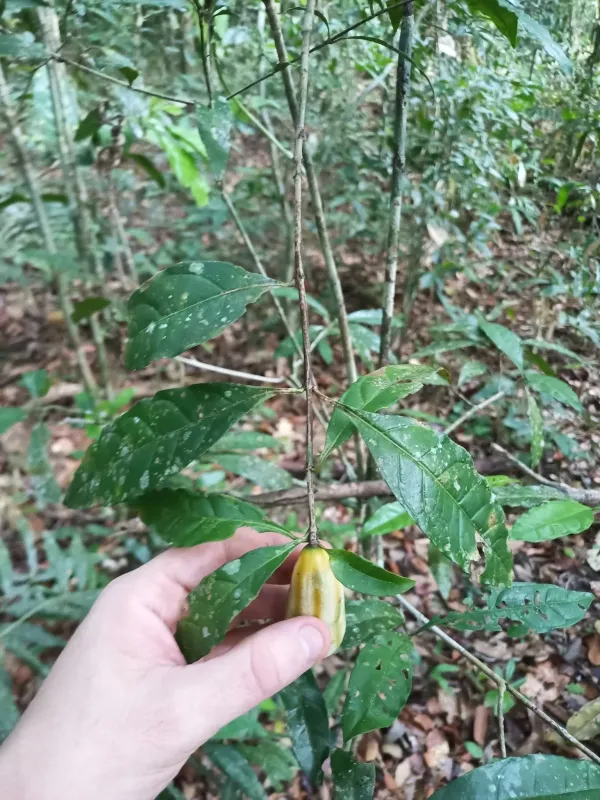
Description
Growing requirements
Randia ruiziana is a perennial woody plant belonging to the Rubiaceae family. Native to the tropical regions of South America, this species thrives in environments characterized by high humidity and consistent tropical temperatures, making it a specialized crop in controlled conditions.
The climate requirements for this plant are stringent, necessitating a frost-free environment. It excels in tropical zones where temperature fluctuations are minimal, and it requires specialized greenhouse management if grown outside its native range to ensure continuous metabolic activity.
The soil structure must be well-draining, nutrient-rich, and slightly acidic. The root system of Randia ruiziana is particularly sensitive to waterlogging, which necessitates the use of porous growing media to facilitate optimal oxygen exchange at the root level.
Regarding cultivation techniques, providing a stable humidity level of approximately 75–80% is essential. This simulates the dense canopy environment where this species naturally occurs, preventing leaf desiccation and promoting vigorous biomass development.
Lighting requirements emphasize the need for filtered sunlight. While the plant requires significant energy for growth, direct high-intensity irradiance should be avoided to prevent chlorophyll degradation and leaf tissue burning.
Main diseases and pests
Common pests affecting Randia ruiziana include spider mites, which can proliferate rapidly in environments with low air humidity, leading to significant damage to the photosynthetic surface of the leaves.
Scale insects and mealybugs represent another major threat, as they attach to the stems and lower leaf surfaces, extracting sap and weakening the plant's structural integrity over extended periods of infestation.
Root rot pathogens represent the most significant threat to plant survival. These occur primarily due to poor drainage and over-irrigation, which allow oomycetes and fungi to proliferate in the root zone.
Fungal leaf spots are frequently observed in poorly ventilated areas where moisture remains on the foliage for prolonged periods, creating a conducive environment for bacterial and fungal infection development.
Integrated pest management protocols, including regular visual inspection and the application of systemic insecticides or fungicides, are necessary to maintain the plant's health and ensure successful cultivation cycles.