
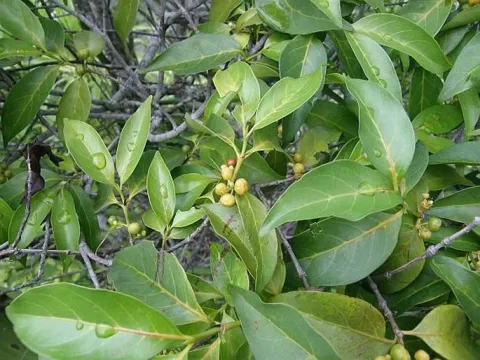
Pyrostria
Pyrostria
Propagation of Pyrostria in commercial nurseries is mainly achieved through seeds. Sowing is typically scheduled for the beginning of the rainy season, which ensures optimal soil moisture for seed germination and seedling establishment.
What the section contains


Pyrostria
Seeds should be treated before planting to overcome dormancy. The planting depth is usually kept shallow, around 1-2 cm, to allow for sufficient aeration and to prevent rotting of the sensitive seeds in the substrate.
Seedling management involves careful transplanting once the first true leaves have developed. Ensuring a nutrient-rich, well-draining potting mix is essential for the healthy development of the young root system.
Vegetative propagation via semi-hardwood cuttings is also a viable method. Using growth hormones significantly increases the success rate of root initiation and shortens the time required for a plant to be field-ready.
The spacing of plants depends on the specific species and the intended use of the crop, with densities generally ranging from 400 to 600 plants per hectare under controlled conditions.
Pyrostria is a genus of shrubs and trees belonging to the Rubiaceae family. The genus is naturally distributed across tropical regions of Africa, Madagascar, and various islands in the Indian Ocean.
The plants thrive in well-drained, fertile loamy soils with a pH level ranging from neutral to slightly acidic. Effective water management is crucial as the species cannot tolerate waterlogged conditions.
Optimal growth requires a stable tropical climate with high ambient humidity. The species is highly sensitive to extreme temperature fluctuations and requires protection from cold drafts and direct, intense solar radiation.
Light intensity should be moderate, as these plants typically occupy the understory layer in their natural habitats. Exposure to excessive direct sunlight can lead to scorched leaves and reduced photosynthesis.
Proper mineral nutrition, focusing on balanced nitrogen, phosphorus, and potassium ratios, is necessary during the active growing phase to support consistent canopy development.
Pyrostria is susceptible to infestations by scale insects and mealybugs, which tend to congregate on young shoots and the undersides of leaves. Integrated pest management strategies are recommended to mitigate these issues.
Fungal pathogens, such as leaf spot and root rot, represent the most significant disease risks. These are often linked to poor air circulation and excessive moisture in the root zone or foliage.
To control pest and disease spread, it is essential to maintain clean cultivation practices and conduct regular monitoring of plant health. Pruning infected branches immediately helps contain outbreaks.
Mineral deficiencies can sometimes mimic disease symptoms; therefore, soil testing is vital to distinguish between nutritional needs and pathological infections before applying chemicals.
Biological controls, such as beneficial predatory insects, are becoming the preferred method for managing pests in protected environments to maintain ecological balance.