
Psydrax
Psydrax
Psydrax is a genus of evergreen trees and shrubs belonging to the Rubiaceae family. These plants are naturally distributed across the tropical and subtropical regions of Africa, Asia, and Australia, flourishing in diverse ecosystems ranging from rainforests to dry woodlands.
What the section contains


Psydrax
The plant requires a warm, frost-free climate to thrive. Stable temperatures are essential for healthy physiological development, as the species is highly sensitive to cold stress, which can lead to significant biomass loss or plant mortality.
Soil requirements for Psydrax involve high organic content and excellent drainage. The species performs best in slightly acidic to neutral soil types that are rich in nutrients but do not retain excessive moisture, which could cause root asphyxiation.
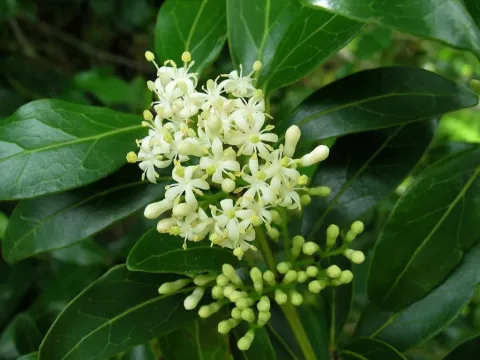
Botanically, the genus is recognized by its opposite, often glossy leaves and small, fragrant inflorescences. The structural integrity of the plant is maintained through a complex root system that requires adequate aeration to support the dense canopy of the shrubs.
Effective agrotechnical practices include maintaining appropriate light levels. While Psydrax can tolerate partial shade in its natural habitat, controlled cultivation often requires balanced sunlight exposure to promote optimal growth rates and flowering density.
Fungal pathogens remain the primary threat to Psydrax plantations. Excessive humidity levels often trigger leaf spot diseases and powdery mildew, which can significantly damage the photosynthetic surface area and diminish the quality of the plant material.
Insect pests, specifically scale insects and mealybugs, are frequent offenders in commercial settings. These pests extract plant sap, leading to stunted growth and the secretion of honeydew, which further promotes the growth of sooty mold on the foliage.
Root rot, driven by soil-borne oomycetes, is a critical risk factor, especially in containers or areas with poor water drainage. Managing irrigation cycles is essential to maintain soil moisture levels that support growth without creating anaerobic conditions.
Nematodes can pose a significant challenge by attacking the root system, causing a general decline in plant vigor. Integrated soil management, including the use of organic amendments and proper sanitation, is recommended to mitigate these underground threats.
Effective protection strategies should rely on regular scouting and the use of targeted biological or chemical control agents. Maintaining adequate spacing between plants is crucial to ensure airflow and reduce the humidity levels that facilitate pathogen proliferation.