
Randia lucidula
Randia lucidula
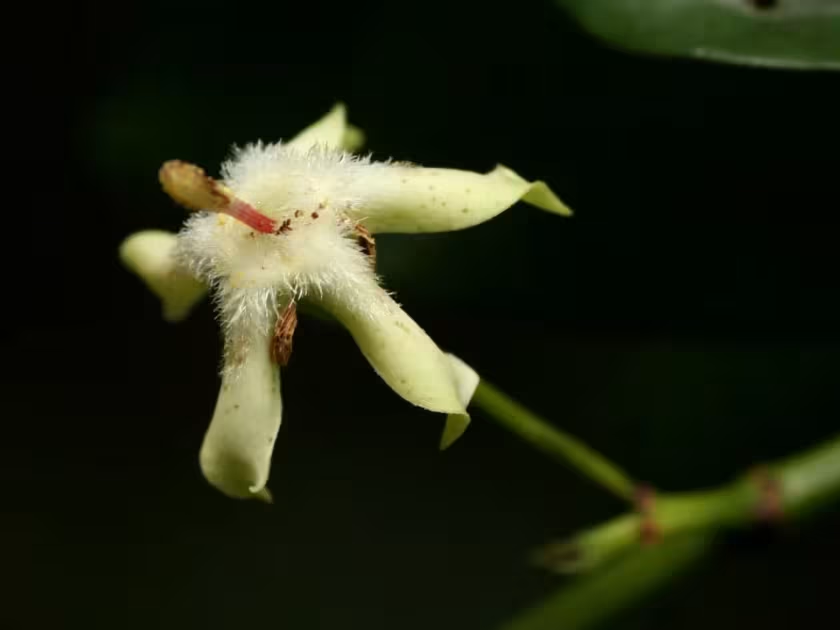
Description
Growing requirements
Randia lucidula is a tropical perennial shrub or small tree belonging to the Rubiaceae family. The plant is recognized for its glossy, dark green foliage which gives the species its botanical name and distinctive aesthetic appeal.
Native to humid tropical environments, the species thrives in areas with consistent precipitation and high ambient humidity levels. It typically occupies the understory layer in dense forest ecosystems, implying a preference for partial shade or filtered sunlight.
Soil requirements dictate a substrate that is rich in organic matter, slightly acidic, and exceptionally well-drained. In agricultural settings, producers often amend the soil with compost or leaf mold to mimic the natural floor conditions of its native habitat.
Climatic tolerance is strictly restricted to tropical zones where temperatures rarely drop below 15 degrees Celsius. Frost sensitivity is an absolute limitation, making open-field cultivation impossible in temperate regions.
Agronomic practices include consistent irrigation to maintain soil moisture without causing waterlogging, and periodic pruning to encourage dense branching. Fertilization is typically performed during the growing season using balanced NPK formulations.
Main diseases and pests
Common pests affecting Randia lucidula include scale insects and mealybugs, which settle on the undersides of leaves and on young stems. Integrated pest management strategies, such as the release of beneficial insects, are recommended for large-scale production.
Fungal pathogens causing leaf spot and dieback are prevalent in high-humidity conditions with poor airflow. Improving canopy ventilation is a primary defense mechanism against these types of infections.
Root rot is the most significant threat to the plant's long-term health and is primarily caused by poor drainage. Growers should prioritize the installation of coarse gravel or sand-based drainage systems to prevent water accumulation.
Spider mites can become a significant issue during dry seasons or when humidity levels are inadequate. Periodic misting of the foliage is a highly effective cultural control method to reduce mite populations.
Monitoring for nutritional deficiencies is essential, as micro-element imbalances can weaken the plant's immunity, making it more susceptible to opportunistic diseases and pest infestations.