
Randia msonju
Randia msonju
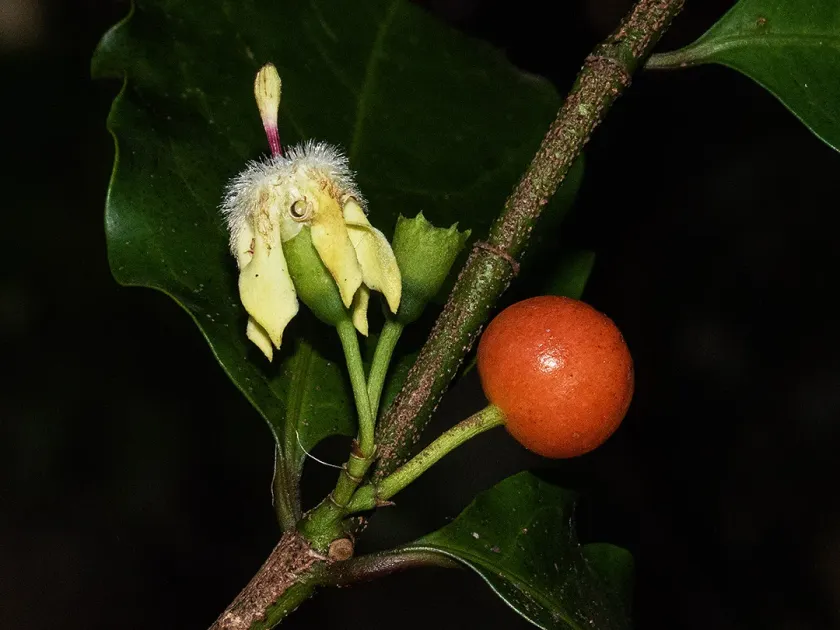
Description
Growing requirements
Randia msonju is a species of flowering plant belonging to the Rubiaceae family. Native to tropical regions of East Africa, this plant is well-adapted to warm, humid environments that receive consistent seasonal rainfall.
The plant thrives in well-drained, fertile soil compositions. It requires a balanced nutrient profile, typically favoring soils with a slightly acidic to neutral pH. Proper soil preparation and drainage are critical to prevent root rot and ensure long-term health of the plants.
Botanically, Randia msonju is recognized as an evergreen woody perennial. Its foliage is dense and leathery, an adaptation that allows it to regulate water loss efficiently under intense tropical sunlight.
The crop is highly valued for its localized use in traditional medicine and culinary practices within its native range. Furthermore, its wood is appreciated for its density and suitability for small-scale construction and utility items.
Agronomic management involves periodic canopy thinning and monitoring soil moisture levels. Since it is a tropical plant, it cannot withstand freezing temperatures, making site selection critical for successful plantation management.
Main diseases and pests
The primary threats to Randia msonju include various fungal pathogens that can develop during high-humidity seasons. Maintaining proper distance between individual plants is essential for ensuring good air circulation and reducing disease pressure.
Pest management focuses on protecting developing fruits from borers and sap-sucking insects. Integrated pest management strategies are recommended to maintain the ecological balance of the plantation while protecting the final crop yield.