
Randia rudis
Randia rudis
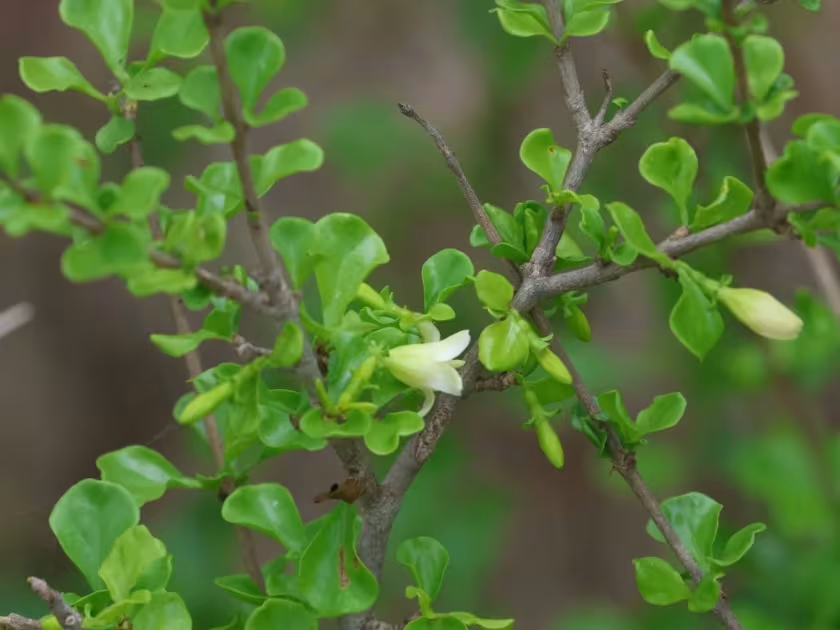
Description
Growing requirements
Randia rudis is a perennial woody plant belonging to the Rubiaceae family. Native to tropical regions, it typically grows as a dense shrub or small tree, exhibiting unique morphological traits that define its botanical classification within the family.
The plant thrives in well-drained, nutrient-rich soils with a slightly acidic profile. Achieving success in cultivation requires a stable environment where soil moisture levels are managed meticulously to prevent root rot, a common issue for this species.
Regarding climatic requirements, Randia rudis prefers regions with high humidity and consistent warm temperatures. Exposure to frost or sudden cold snaps is detrimental to the plant, necessitating cultivation in controlled greenhouse environments in non-tropical zones.
Agrotechnical management involves regular pruning to encourage structural strength and canopy development. Proper spacing is essential to ensure adequate air circulation, which helps reduce the risk of humidity-related fungal issues within the thick foliage.
Fertilization regimes for this species should be balanced, focusing on nitrogen for foliage growth during the active season, transitioning to potassium-heavy formulas to support general health and resilience before the dormant phase.
Main diseases and pests
Like many species in the Rubiaceae family, Randia rudis is susceptible to various pests, particularly spider mites and scale insects that thrive in the same warm, humid conditions favored by the plant. Regular monitoring is essential for control.
Fungal pathogens often appear when air circulation is poor. Symptoms usually manifest as leaf spots or powdery mildew, which require prompt application of appropriate agricultural fungicides and improved ventilation within the growing site.
Root system health is vital; the presence of soil-borne nematodes can significantly impair growth. Utilizing sterilized growth media and preventative biological control measures can mitigate the impact of these subterranean threats effectively.
Viral infections, while less frequent, can occur and often manifest through leaf chlorosis or stunted development. Identifying infected specimens early and removing them is crucial to prevent the spread of disease to healthy plants in the plantation.
Integrated Pest Management (IPM) is the recommended approach for maintaining healthy crops. By combining biological controls with responsible chemical applications, growers can ensure the longevity and productivity of their Randia rudis stock.