
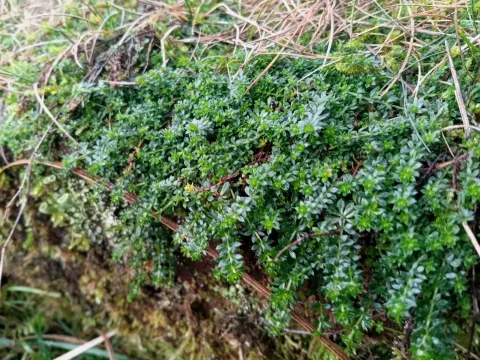
Relbunium
Relbunium
Relbunium, a member of the Rubiaceae family, is a perennial plant primarily cultivated for its roots, which are rich in natural anthraquinone dyes. Successful establishment depends on selecting well-draining soil and preparing the seedbed carefully before sowing in early spring.
What the section contains
Relbunium
Seeds of Relbunium often exhibit dormancy, necessitating stratification to ensure uniform germination. They should be sown at a shallow depth of approximately 1 to 2 centimeters to allow adequate light exposure while maintaining the necessary moisture for early root development.
For larger operations, propagation via seedlings is often preferred to ensure higher survival rates in the field. Seedlings are typically transplanted once the danger of frost has passed, ensuring they are spaced far enough apart to facilitate proper air circulation between plants.
Early-stage growth is notoriously slow, making weed control a critical agronomic factor. Mulching is highly recommended to suppress competitive plant species and to maintain a stable moisture level in the root zone during the establishment phase.
Optimal planting density is typically calculated to balance yield potential with the available resources of the soil. Establishing a robust root system in the first season is essential for the future accumulation of natural pigments, which define the economic value of this crop.
Relbunium thrives in light, well-draining sandy or loamy soils. A key requirement is the prevention of waterlogging, as the species is highly susceptible to root decay when exposed to excessive moisture for prolonged periods during the growing season.
The ideal climatic conditions for Relbunium involve moderate temperatures ranging from +18 to +25 degrees Celsius. While it is adapted to high light intensity, young plants may benefit from partial shade during peak sunlight hours to prevent desiccation and heat stress.
Nutrient management focuses on phosphorus and potassium, which are critical for the metabolic processes that produce dye compounds. Nitrogen application should be moderate; excessive levels can lead to rapid shoot growth at the expense of root pigment density.
Soil structure is paramount, and the incorporation of organic matter during pre-planting preparation helps improve aeration. Regular soil testing is recommended to ensure the pH remains within the neutral or slightly acidic range, which supports optimal nutrient uptake.
Irrigation must be managed with precision. Drip irrigation systems are the preferred choice for this crop as they deliver water directly to the root zone, reducing the incidence of foliage diseases and minimizing water waste through evaporation.
Fungal infections, particularly root rot, are the primary biological threat to Relbunium plantations. These conditions are typically exacerbated by poorly drained soil or over-irrigation, necessitating strict adherence to irrigation protocols to protect the root systems.
Pests such as aphids and spider mites can infest the foliage, impacting the plant's overall energy production through photosynthesis. Integrated pest management strategies, focusing on biological controls, are preferred to maintain the ecological purity of the dye source.
Mechanical damage during weeding operations should be strictly avoided. Any injury to the root system provides entry points for pathogens, making manual care or careful mechanical intervention around the base of the plant a standard practice.
Regular field scouting is essential to identify early symptoms of disease. Rapid intervention, which may include removing infected individuals and adjusting micro-climatic conditions, is the most effective way to prevent localized issues from becoming widespread outbreaks.
Crop rotation practices should be strictly followed, ensuring that the ground is not replanted with Relbunium for at least four to five years. This break cycle is crucial for breaking the life cycle of soil-borne pathogens that target the Rubiaceae family.
The harvest cycle for Relbunium typically spans two to three years, as the concentration of anthraquinone pigments in the roots increases significantly with the age of the plant. Harvesting before this period may result in lower pigment yields, impacting economic viability.
Extraction involves careful excavation of the root systems to ensure that they are harvested intact. Any breakage or fragmentation during the extraction process can lead to the leaching of dyes, which are highly sensitive to environmental exposure immediately after harvesting.
Once harvested, the roots undergo a cleaning process to remove soil debris, followed by controlled drying. This stage is critical; the drying process must occur at temperatures below 40 degrees Celsius to prevent the degradation of the delicate chemical compounds within.
Relbunium is highly valued for producing deep red and purple dyes used in the textile and artisanal sectors. Its colorfastness and natural origin make it an increasingly popular choice for sustainable and eco-friendly manufacturing processes.
Storage of the finished product requires dark, dry, and ventilated conditions. By protecting the dried roots from humidity and ultraviolet radiation, producers can maintain the high quality of the dye pigments for long periods before industrial or artisanal processing.