
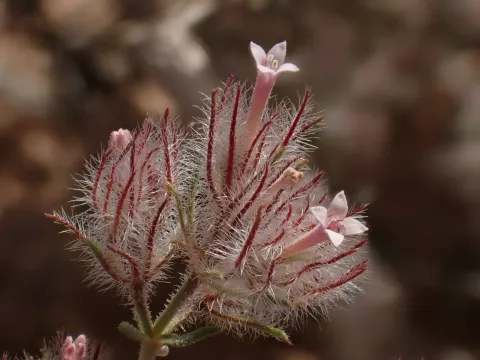
Pterogaillonia
Pterogaillonia
Pterogaillonia is a genus within the Rubiaceae family, characterized by its remarkable ability to thrive in arid and desert environments. These plants have evolved specialized physiological pathways to manage limited water resources, making them a subject of interest for agriculture in desertification-prone areas.
What the section contains
Pterogaillonia
The cultivation of this plant requires well-drained, sandy soils that allow for rapid infiltration of moisture while preventing saturation. High levels of solar radiation are necessary for the plant to complete its life cycle effectively, as it relies on warm thermal regimes for metabolic processes.
Regarding soil fertility, Pterogaillonia exhibits a high tolerance for nutrient-poor substrates, typical of desert ecosystems. Minimal fertilization is recommended to avoid chemical stress, focusing instead on maintaining the natural balance of microelements in the soil profile.
Agricultural management includes precise sowing density to ensure each plant receives adequate space, reducing the risk of competition for subterranean moisture. Wind erosion control is a fundamental aspect of maintaining a healthy crop field in the regions where this species is traditionally found.
The economic potential of Pterogaillonia lies in its role as a stabilizer for degraded lands and as a source of specific secondary metabolites. Further research is required to optimize its production for potential pharmaceutical or industrial applications, building upon its innate resilience.