
Psydrax montanus
Psydrax montanus
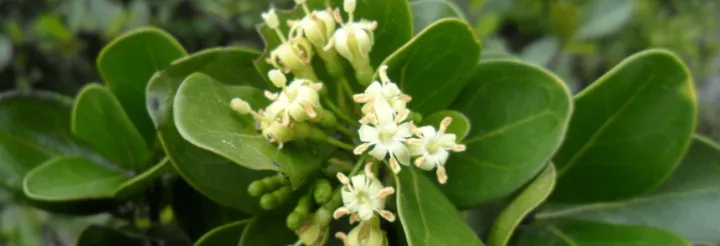
Description
Sowing dates
Psydrax montanus is a perennial shrub belonging to the Rubiaceae family, typically found in mountainous tropical regions. Propagation is primarily achieved through seeds, which naturally germinate at the onset of the rainy season, leveraging high humidity levels.
In a controlled agricultural setting, seeds require pre-treatment such as scarification to break their tough outer dormancy. Sowing should be carried out in a well-draining, organic-rich potting mix to support early root development.
Seedlings develop slowly, necessitating careful monitoring of irrigation and light exposure during the initial months. The transition to outdoor soil should occur once the plant reaches a sturdy height of 30-40 cm, ideally during a temperate climate window.
Spacing is critical for this species to ensure sufficient airflow and nutrient availability; a distance of at least 2 to 3 meters between individual plants is recommended for optimal canopy growth.
The selection of a site with appropriate soil texture and sunlight exposure is fundamental to establishing a successful plantation, allowing the plant to thrive in its native-like conditions.
Growing requirements
Psydrax montanus thrives in well-drained, fertile soils with a pH ranging from neutral to slightly acidic. The presence of organic matter in the soil significantly enhances the growth rate and overall health of the shrub.
The plant is moderately tolerant of varied light conditions but performs best in areas receiving filtered sunlight. While it can withstand short periods of dryness, consistent soil moisture is essential for vigorous vegetative growth and fruit production.
Temperature sensitivity is a key factor; the ideal range is between 18 and 28 degrees Celsius. Protection from frost and extreme temperature fluctuations is necessary, as the species is not adapted to freezing conditions.
Nutrient management involves applying balanced fertilizers during the active growing season. Mulching the base of the plant helps maintain soil temperature and moisture levels, mimicking its forest-floor origins.
Proper aeration is essential to prevent root rot, especially in humid regions. Ensuring that the site has a natural slope or drainage system will mitigate risks associated with water accumulation.
Yield
The utilization of Psydrax montanus is primarily centered around landscape restoration and agroforestry. Its dense foliage makes it an effective species for creating natural windbreaks and wildlife habitats.
While industrial usage is niche, the fruits have traditional applications in local medicine and small-scale food production. Increasing the number of fruiting specimens can enhance the economic value of a managed plot.
The wood produced by the species is relatively durable and can be utilized for small crafts or as a sustainable fuel source. Regular pruning helps in harvesting surplus biomass while encouraging new, healthy growth.
Yield efficiency is directly linked to the health of the plant and the presence of pollinators in the area. Strategic planting near flower-rich gardens can boost the overall fruit yield of the species.
Integrating this plant into sustainable farming systems contributes to biodiversity and soil stabilization, providing long-term ecological and agricultural benefits for the farmstead.
Main diseases and pests
Fungal pathogens represent the most significant threat, particularly in environments with poor air circulation or chronic waterlogging. Symptoms often manifest as discolored foliage and wilting of the younger stems.
Pests such as aphids and scale insects are common, feeding on the tender shoots and potentially reducing the plant's vigor. Regular scouting is recommended to address infestations before they reach critical levels.
Powdery mildew can occur if the humidity levels are high and the canopy becomes too dense. Proper spacing and routine pruning are effective cultural control methods to improve airflow and reduce humidity.
Management of these threats involves a combination of preventative sanitation and the use of bio-friendly pesticides when necessary. Maintaining plant health through proper nutrition is the best defense against systemic infections.
Removing infected plant parts promptly and disposing of them away from the cultivation area helps prevent the spread of diseases, ensuring the longevity and health of the remaining crop.
Harvesting
Harvesting the fruits of Psydrax montanus is a labor-intensive process, as ripening occurs unevenly throughout the season. Harvesters must monitor the color changes carefully to ensure fruit maturity.
Once collected, the fruits should be placed in breathable containers to prevent moisture accumulation and decay. Rapid transfer to a dry, well-ventilated storage area is essential for maintaining post-harvest quality.
Primary processing, which includes cleaning and sorting, should be performed as soon as possible after the harvest to ensure the product remains free from debris and contaminants.
The frequency of harvest rounds depends on the climate and the specific growth conditions of the plantation. A well-organized harvest plan helps maximize yield and minimizes waste during the peak season.
Consistent care throughout the harvest cycle ensures that the plant remains productive for subsequent years, maintaining the balance between resource extraction and the plant's physiological needs.