
Psydrax dicoccos
Psydrax dicoccos
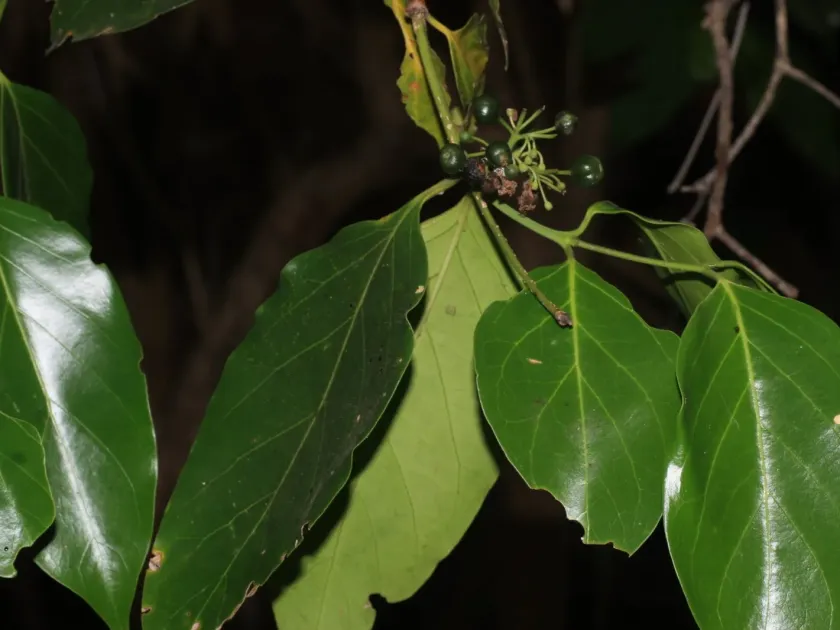
Description
Growing requirements
Psydrax dicoccos is an evergreen tree belonging to the Rubiaceae family, widely recognized for its ecological importance in tropical regions. It is a sturdy, medium-sized tree that develops a robust canopy, making it an excellent candidate for forest restoration.
The species thrives in warm, humid tropical environments. It prefers well-lit locations but can tolerate partial shade during its juvenile stage, which is a common adaptation for plants growing in the understory of dense forests.
Soil requirements for Psydrax dicoccos involve well-drained, nutrient-rich substrates. While it can adapt to various soil types, loamy soils with consistent moisture levels provide the best results for wood density and overall tree health.
Agricultural management includes monitoring growth rates and ensuring proper spacing between trees to prevent overcrowding. As a long-lived species, it contributes significantly to carbon sequestration and local biodiversity enhancement in plantation settings.
The primary economic use of this tree involves high-quality timber for local woodworking and agricultural tools. Additionally, its aesthetic value and dense foliage make it useful for landscape architecture and erosion control on sloped terrain.
Main diseases and pests
Fungal diseases are the primary concern for Psydrax dicoccos, especially in areas with poor ventilation. Excess humidity can trigger leaf spots or stem infections that hinder the plant's development and diminish its commercial quality.
Pest attacks, particularly by wood-boring insects, can affect older trees. Regular inspection of the trunk and branches is essential to detect early signs of infestation and prevent structural damage to the tree's core.
Root rot caused by stagnant water is a significant threat to young saplings. Proper site preparation and the installation of effective drainage systems are critical preventative measures in any plantation project.
Herbivory by local wildlife can stunt the growth of young trees. Protective guards or fencing are often used in the early stages of establishment to ensure the plant reaches a sufficient height before it becomes self-sustaining.
Integrated pest management strategies focusing on biological control are highly recommended. Avoiding broad-spectrum pesticides helps maintain the balance of the ecosystem and protects the beneficial insects that inhabit the tree canopy.