
Psydrax lividus
Psydrax lividus
Description
Growing requirements
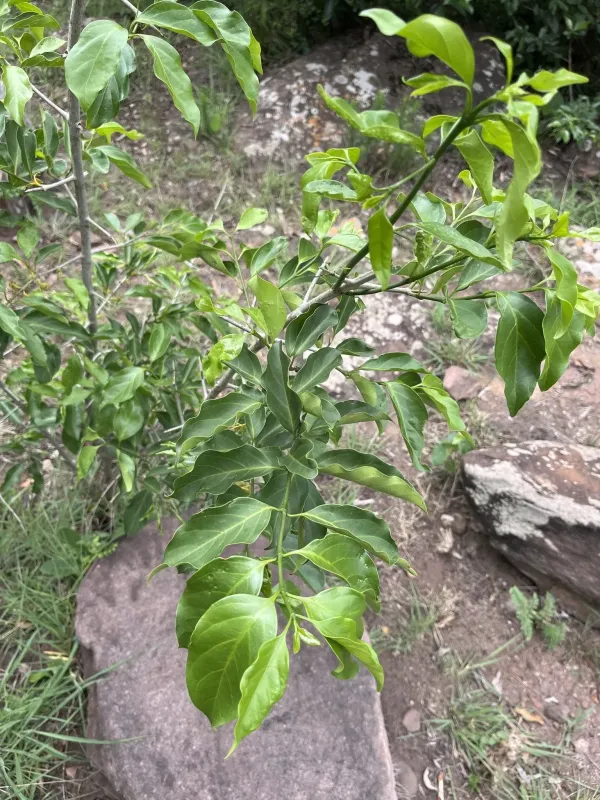
Psydrax lividus is a woody perennial plant belonging to the Rubiaceae family. Native to the savannahs and woodlands of Southern and Eastern Africa, it is known for its ecological resilience.
The plant thrives in well-drained, sandy or loamy soils. It displays a remarkable tolerance to nutrient-poor soils, making it an excellent candidate for reforestation and landscaping in harsh environments.
Environmental conditions require ample sunlight to support healthy growth cycles. While it prefers warm tropical and subtropical temperatures, it can tolerate occasional temperature drops once fully established.
Agricultural management should prioritize soil aeration to prevent compaction, which can impede root expansion. Adequate spacing between plants is necessary to promote air circulation within the canopy.
Watering requirements are moderate; the species is naturally adapted to seasonal water scarcity. During the seedling phase, consistent moisture is beneficial to ensure the successful establishment of the root system.
Main diseases and pests
The primary pathological threat to Psydrax lividus is root rot caused by poor soil drainage. Waterlogged conditions can lead to sudden collapse of the plant due to hypoxia in the root zone.
Leaf-eating insects and sap-sucking pests, such as aphids and scale insects, are common seasonal threats. These pests typically congregate on new shoot growth, causing curling and stunted development.
Fungal pathogens including mildew can emerge during periods of high humidity or poor ventilation. These infections primarily manifest as discolored patches on the foliage that decrease photosynthetic efficiency.
Stem borers may pose a challenge in older specimens, creating galleries within the wood and weakening the structural integrity of the plant. Monitoring for entry holes in the bark is recommended.
Integrated pest management (IPM) practices, such as encouraging natural predators and avoiding excessive use of broad-spectrum pesticides, help maintain a balanced and healthy agricultural environment.