
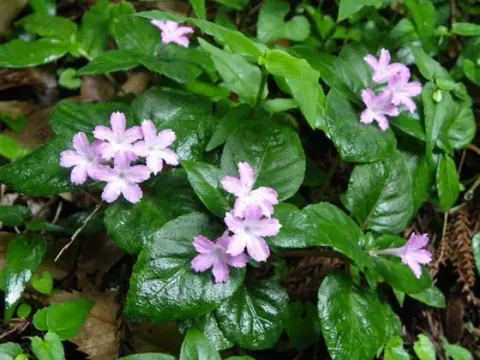
Pseudopyxis
Pseudopyxis
Pseudopyxis is a genus belonging to the Gentianaceae family. It is a rare herbaceous perennial that originates from specific mountain habitats in East Asia, where it thrives in niche microclimates characterized by high humidity and moderate temperatures.
What the section contains

Pseudopyxis
For cultivation purposes, propagation is typically performed through seeds sown in early spring. The seeds are minute and require a specialized, well-draining substrate to prevent moisture accumulation around the developing embryos.
Cold stratification is a mandatory step for successful germination. Sowing the seeds in winter containers allows them to undergo the necessary dormancy cycle, which significantly increases the percentage of viable seedlings.
The seeds should be sown on the surface of the soil. Light is a critical factor for the germination of Pseudopyxis, so they should not be covered with a thick layer of soil, but rather lightly pressed to maintain contact with the substrate.
Growth during the seedling stage is notably slow. It is essential to ensure that the environment remains stable, as young plants are highly sensitive to sudden fluctuations in temperature and humidity before they establish a mature root system.
Pseudopyxis requires specific environmental conditions to thrive. It prefers a soil mix rich in organic matter, such as leaf mold or peat, providing an acidic to neutral pH level that mimics its natural high-altitude environment.
Light management is crucial. The plant performs best under filtered light or dappled shade. Direct sunlight, especially during the peak hours of the day, can lead to leaf scorching and rapid water loss from the tissues.
Temperature control is essential for preventing heat stress. Ideally, the ambient temperature should remain between 15°C and 20°C. In regions with warmer climates, specialized greenhouse cooling systems or shaded shelters are necessary.
Regular but controlled moisture is required. The roots of Pseudopyxis are susceptible to rot, so irrigation must be managed carefully. A bottom-up watering technique is often preferred to keep the foliage dry.
Fertilization should be handled with caution. Only dilute, balanced liquid fertilizers are recommended, and even then, they should be applied only during the active growth period to avoid burning the sensitive root system.
Root rot, often caused by overwatering or poor soil drainage, is the most common health threat to Pseudopyxis. Pathogens like Phytophthora can decimate a collection if moisture levels in the root zone are not carefully monitored.
Pests such as spider mites and aphids are known to target these plants. These insects thrive in dry, stagnant air conditions within greenhouses, feeding on the underside of leaves and leading to overall plant vigor loss.
Disease prevention starts with maintaining good air circulation around the plants. Proper ventilation helps lower humidity levels around the foliage, which reduces the risk of fungal infections such as powdery mildew or gray mold.
Physical removal of pests or using horticultural soaps can be effective for smaller infestations. For larger collections, integrated pest management (IPM) strategies are recommended to minimize the impact of chemical pesticides on the plant's growth.
Environmental stress, such as incorrect soil pH, can lead to chlorosis. This nutritional imbalance prevents the plant from absorbing necessary iron, which is manifested by the yellowing of leaves. Adjusting the substrate acidity can resolve this issue.