
Pentanisia ouranogyne
Pentanisia ouranogyne
Description
Growing requirements
Pentanisia ouranogyne is a perennial herbaceous plant belonging to the Rubiaceae family. Native to East African ecosystems, this species is known for its resilience and specific adaptation to tropical landscapes with varying precipitation levels.
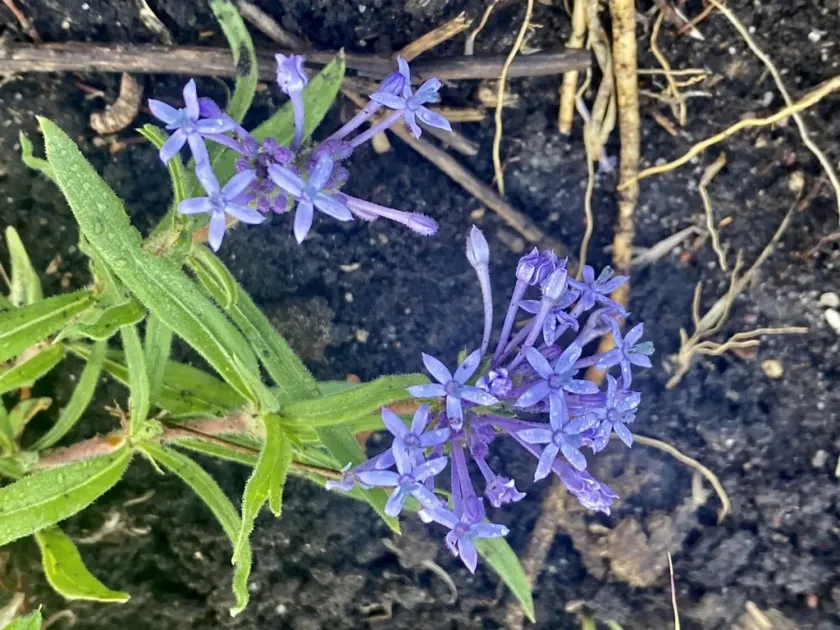
Botanically, the plant is characterized by opposite leaves and distinctive tubular flowers organized in dense inflorescences. It develops a robust root structure that allows it to maintain vigor even in seasonally dry environmental conditions.
For successful cultivation, the plant requires consistent warmth and significant solar exposure. Soil conditions are critical: the growing medium must be well-drained, nutrient-rich, and slightly acidic to neutral in pH to ensure nutrient availability.
Agrotechnical management involves careful water regulation, especially during the establishment phase. While the species is drought-tolerant, supplemental irrigation during peak growth stages significantly enhances the overall biomass production.
In terms of usage, Pentanisia ouranogyne serves as a subject of ethnobotanical interest and is increasingly studied for its chemical compounds. It also finds a place in specialized horticulture due to its unique aesthetic features.
Main diseases and pests
The primary threats to this culture are fungal diseases, which are usually induced by poor ventilation and excessive soil moisture. Root rot is a common issue that can lead to rapid plant decline if not managed correctly.
Pests, particularly aphids and spider mites, are common in tropical agricultural systems. These insects can quickly overwhelm a population, sucking sap and causing damage that stunts growth and reduces leaf quality.
Disease management focuses on preventive measures, such as proper spacing between plants and the implementation of drip irrigation systems to keep foliage dry. Monitoring is essential to catch outbreaks before they spread.
Control of insect populations is best achieved through integrated pest management strategies. Using biological agents or selective biopesticides helps mitigate damage while minimizing the chemical footprint on the environment.
Maintaining high hygiene standards on the farm, including the removal of debris and infected plant tissue, significantly reduces the likelihood of recurring disease cycles within the plantation.