
Oxyanthus
Oxyanthus
Oxyanthus is a genus of flowering plants that belongs to the Rubiaceae family, commonly known as the madder or coffee family. These plants are native to the tropical regions of Africa, where they thrive in the shaded and humid environments of forest understories.
What the section contains
 Oxyanthus formosus
Oxyanthus formosus
Oxyanthus formosus
 Oxyanthus latifolius
Oxyanthus lepidus
Oxyanthus lepidus
Oxyanthus latifolius
Oxyanthus latifolius
Oxyanthus lepidus
Oxyanthus lepidus
 Oxyanthus pyriformis
Oxyanthus racemosus
Oxyanthus racemosus
Oxyanthus pyriformis
Oxyanthus pyriformis
Oxyanthus racemosus
Oxyanthus racemosus
 Oxyanthus speciosus
Oxyanthus subpunctatus
Oxyanthus subpunctatus
Oxyanthus unilocularis
Oxyanthus unilocularis
Oxyanthus zanguebaricus
Oxyanthus zanguebaricus
Oxyanthus speciosus
Oxyanthus speciosus
Oxyanthus subpunctatus
Oxyanthus subpunctatus
Oxyanthus unilocularis
Oxyanthus unilocularis
Oxyanthus zanguebaricus
Oxyanthus zanguebaricus
Oxyanthus
Botanically, Oxyanthus species are classified as evergreen shrubs or small trees. They are recognized by their distinct, opposite leaves which are typically leathery and deep green, often providing a dense canopy that maintains aesthetic value in tropical landscapes.
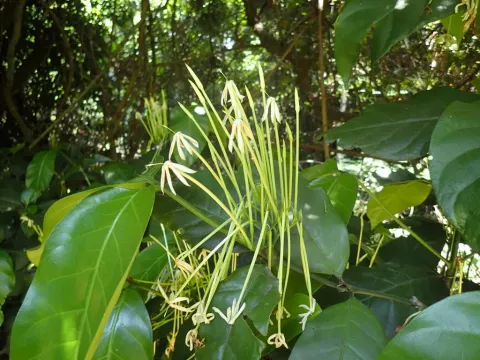
The hallmark of this genus is its floral structure, characterized by long, slender, tubular flowers. These blossoms are often produced in clusters and are known to emit a strong, pleasant fragrance, especially during the night, which serves as a natural adaptation for moth pollination.
For successful growth, Oxyanthus requires high humidity levels, consistent warmth, and well-draining, nutrient-rich soil. The plant thrives in partial shade, as direct, intense sunlight can lead to leaf scorch and dehydration, mirroring the protected conditions of its native jungle habitat.
In terms of agricultural and horticultural use, Oxyanthus is primarily utilized as an ornamental plant in botanical gardens and private collections within tropical climates. Its unique fragrance and graceful floral display make it a sought-after subject for conservatory planting and exotic garden design.
The primary health threats to Oxyanthus in confined or greenhouse environments include common sap-sucking pests like spider mites and scale insects. Furthermore, the plant is susceptible to various fungal pathogens if the root zone is subjected to prolonged waterlogging or poor air circulation.