
Pauridiantha paucinervis
Pauridiantha paucinervis
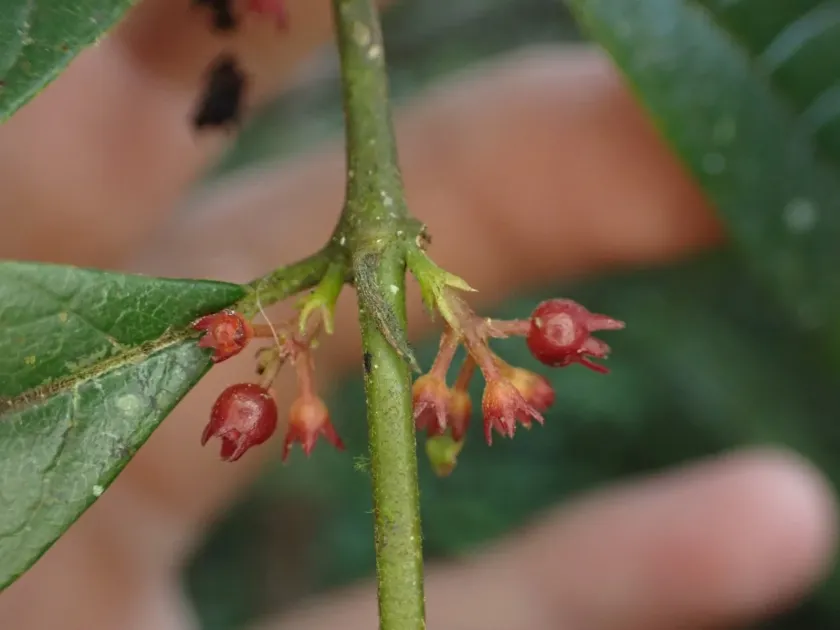
Description
Growing requirements
Pauridiantha paucinervis is a perennial evergreen shrub or small tree belonging to the Rubiaceae family. It is natively found in the tropical rainforests of Africa, typically occupying the lower forest strata.
The plant thrives in regions with high humidity and stable tropical temperatures. It is adapted to shady environments, relying on filtered light conditions to maintain its physiological balance and leaf structure.
Regarding soil requirements, the species prefers nutrient-rich, humus-heavy substrates that provide excellent moisture retention while remaining well-drained. Avoiding waterlogging is essential for the healthy development of the root system.
In terms of agricultural management, this plant is primarily cultivated in botanical gardens or specialized nurseries. It requires consistent irrigation and protection from direct, intense sunlight, which can cause leaf scorch.
Botanically, it exhibits characteristic features of the Rubiaceae, including stipulate leaves and small inflorescences. Researchers investigate this genus for its unique phytochemical properties, which contribute to its importance in biological studies.
Main diseases and pests
Common greenhouse pests, such as spider mites and scale insects, are the primary threats to Pauridiantha paucinervis. These organisms often exploit imbalances in humidity or poor air circulation within the environment.
Fungal pathogens and root rot may develop if the soil remains constantly saturated without proper drainage. Maintaining a balanced humidity level and ensuring good ventilation are key prophylactic measures to preserve plant health.