
Luculia gratissima
Luculia gratissima (Wall.) Sweet
Description
Growing requirements
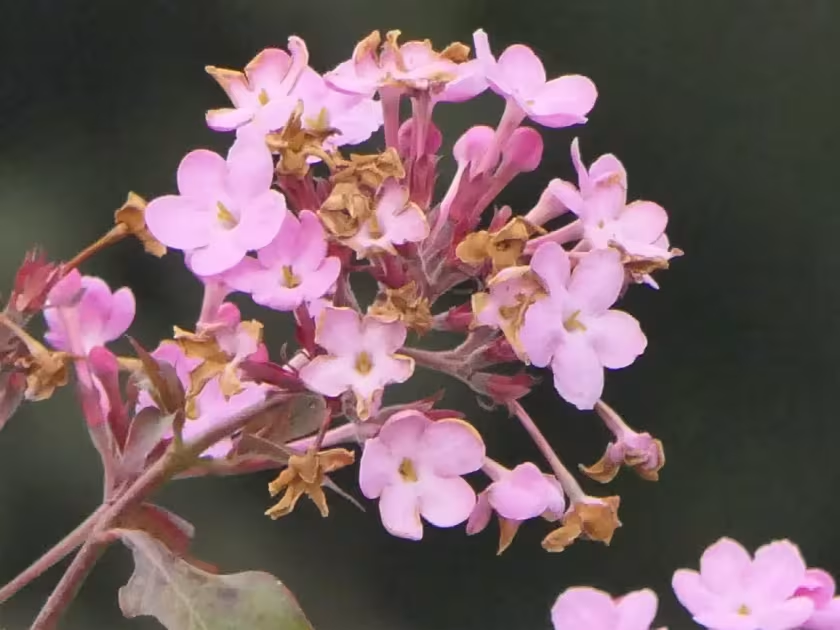
Luculia gratissima is a magnificent evergreen shrub belonging to the Rubiaceae family. It is highly prized by horticulturists for its spectacular clusters of fragrant, blush-pink flowers that bring a delightful scent to indoor or protected garden spaces.
Native to the Himalayan regions and mountainous parts of China and India, this plant thrives in subtropical climates. Its natural habitat is characterized by moderate temperatures and relatively high levels of air humidity.
When cultivating this species, it is essential to maintain a temperature range between 15°C and 22°C. The plant dislikes extreme heat and is sensitive to frost, necessitating sheltered conditions in cooler climates or indoor environments like greenhouses.
The ideal growing medium is a well-drained, acidic to neutral soil mixture. High organic content combined with perlite or coarse sand helps achieve the necessary aeration for the sensitive root system, preventing compaction over time.
In terms of usage, Luculia gratissima is exclusively an ornamental crop. It is perfect for conservatories or as a container plant in temperate regions, where it provides a stunning display during the autumn and winter months when other plants are dormant.
Main diseases and pests
The primary pests affecting Luculia gratissima are spider mites and mealybugs. These pests typically thrive in environments with low air humidity, making regular monitoring and appropriate misting vital components of plant management.
Root rot is the most significant disease risk, usually stemming from overwatering or inadequate soil drainage. Maintaining a careful balance in irrigation is essential to ensure the longevity and overall health of the shrub.