
Luculia pinceana
Luculia pinceana Hook.
Description
Growing requirements
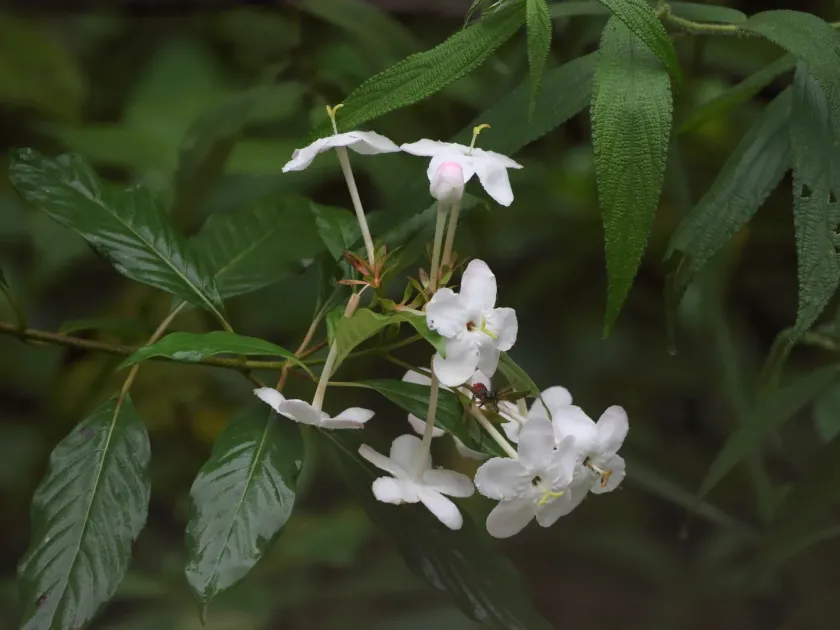
Luculia pinceana is a distinctive, evergreen shrub within the Rubiaceae family, highly prized for its large, fragrant, rose-colored flower clusters. It is often compared to a hydrangea due to its inflorescence structure and intense, sweet scent.
Native to the Himalayan foothills, including regions of China and Nepal, this plant thrives in cool, humid, subtropical environments. In cultivation, it requires specific conditions that mimic its high-altitude mountainous origin, favoring cool summers and mild, frost-free winters.
The cultural requirements demand a well-draining, acidic to neutral soil medium rich in organic matter. A mixture of peat, leaf mold, and perlite is generally recommended to prevent waterlogging, which is fatal to the root system of this species.
Light exposure should be filtered or bright indirect light. Intense, direct sunlight can scorch the foliage and cause excessive dehydration, especially in pot-grown specimens kept in greenhouse environments during the peak of summer.
Consistent moisture is required during the active growing season, but the plant must be allowed to experience a cooler, drier rest period after flowering. This cycle is essential for stimulating bud development for the following season.
Main diseases and pests
Common pests affecting Luculia pinceana include spider mites and mealybugs, which thrive in indoor environments with limited airflow and low relative humidity. Early detection is crucial to prevent infestations from spreading.
Aphids can also attack tender new growth during the spring. Horticultural soaps or mild systemic insecticides are generally effective at controlling these soft-bodied pests without causing phytotoxicity.
Root rot, primarily caused by Phytophthora or Pythium species, remains the most significant threat to plant health. This usually occurs when the potting medium lacks adequate drainage or when irrigation schedules are not adjusted during the winter rest.
Preventative care involves maintaining optimal air circulation and avoiding overhead watering, which keeps the foliage dry and reduces the likelihood of leaf-spotting fungal pathogens taking hold.
- Monitor for spider mite webbing on leaf undersides.
- Use drainage layers in containers to prevent rot.
- Maintain stable temperatures to avoid flower drop.