
Luculia
Luculia pinceana x Luculia gratissima
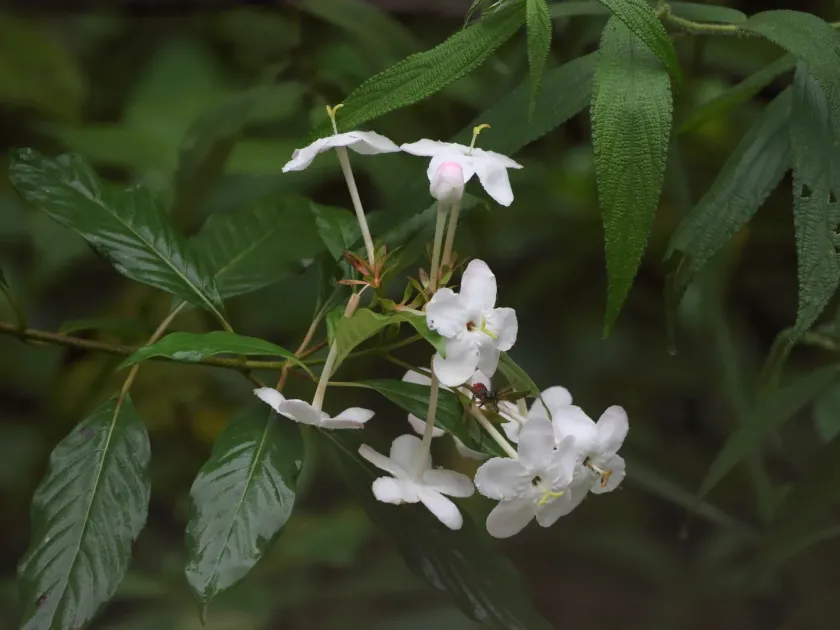
Description
Growing requirements
Luculia is an elegant evergreen shrub belonging to the Rubiaceae family, highly prized for its large, fragrant floral clusters. In agronomic practice, it is considered an exotic crop that requires specific environmental management to thrive outside its native Himalayan habitat.
The plant performs best in light, fertile, and well-drained acidic soils. Because it is highly sensitive to root rot, the use of a coarse, aerated substrate is critical. Proper drainage systems should be implemented if the plant is grown in pots or greenhouse beds.
Regarding climate, Luculia favors cool to moderate temperatures ranging from 18 to 24 degrees Celsius. It requires bright but filtered sunlight, as direct harsh solar radiation during the afternoon hours can damage the delicate foliage and reduce the vigor of the plant.
High relative humidity is essential for successful growth. In indoor or greenhouse settings, maintaining humidity levels above 60% is vital. Insufficient humidity can lead to leaf tip necrosis and create favorable conditions for certain plant pests.
Regular maintenance involves pruning after the flowering phase to encourage bushier growth. During the dormant winter period, the plant should be kept in a cooler environment, approximately 10–12 degrees Celsius, which is necessary for the initiation of flower buds for the next cycle.
Main diseases and pests
The most significant pest challenges for Luculia are spider mites and scale insects. These pests thrive in dry conditions and can cause significant foliage damage if infestations are not detected and managed promptly.
Root rot, primarily caused by fungal pathogens such as Phytophthora and Pythium, remains the most lethal threat. Overwatering or poorly draining soil is the leading cause of these infections, which can destroy the root system rapidly.
Chlorosis, often manifested as yellowing between leaf veins, is a common physiological problem in Luculia. It is usually caused by an incorrect pH level in the soil, which prevents the uptake of essential iron and magnesium, leading to overall plant weakness.
Integrated Pest Management (IPM) should be applied to control outbreaks. This includes the use of predatory mites for spider mite control and systemic insecticides for scale insects, while ensuring that the chemical treatments are safe for the specific growing environment.
Preventive measures include maintaining good airflow around the plants and avoiding overhead irrigation during the evening. Regular sanitation, such as removing fallen leaves and spent flowers, significantly reduces the likelihood of fungal diseases within the growing area.