
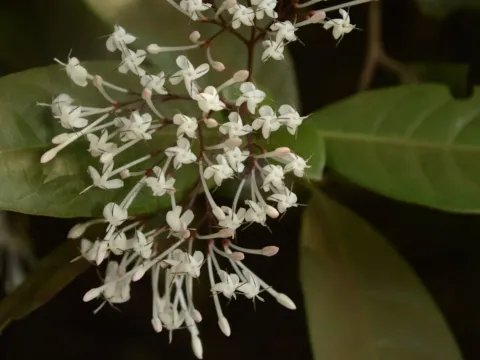
Ixora nigricans
Ixora nigricans
Ixora nigricans is a notable member of the Rubiaceae family, characterized by its shrubby habit and specific environmental adaptations typical of tropical forest zones.
What the section contains
Ixora nigricans
The plant originates from the tropical regions of Southeast Asia and India, where it thrives in environments that provide consistent warmth and high levels of atmospheric humidity throughout the year.
Successful cultivation requires soil that is rich in organic matter and maintains an acidic to neutral pH, ensuring sufficient nutrient availability for vigorous growth.
Agricultural management must focus on providing well-drained soil to prevent waterlogging, which the root system of this species is highly sensitive to during the monsoon periods.
Regarding light conditions, the species performs best in bright, filtered light; direct intense exposure can lead to leaf scorching, while insufficient light hinders the development of its dense foliage.
Scale insects and mealybugs represent the primary pest threats to Ixora nigricans, often colonizing the undersides of leaves and the stems to extract essential plant fluids.
Spider mites are frequently encountered during drier intervals, causing chlorotic spots on leaves and a general decline in the plant's overall photosynthetic capacity.
Root rot caused by various soil-borne pathogens is a common issue resulting from over-irrigation or inadequate drainage systems in commercial containers.
Fungal leaf spot diseases may appear during periods of high humidity and poor air circulation, necessitating consistent pruning to improve airflow within the canopy.
Effective management includes regular monitoring for early signs of infestation and the judicious application of horticultural oils or fungicides to maintain plant vigor.