
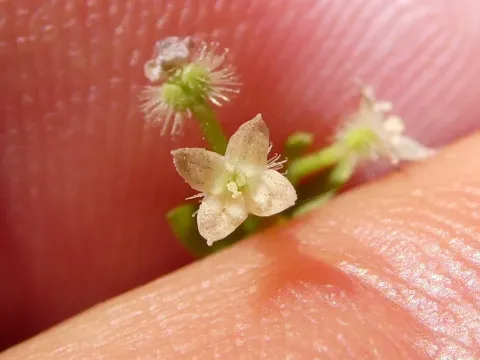
Kamchatka bedstraw
Galium kamtschaticum
Kamchatka bedstraw (Galium kamtschaticum) is a perennial herbaceous plant belonging to the Rubiaceae family. It is native to the forested regions of East Asia, Kamchatka, and parts of North America.
What the section contains
Kamchatka bedstraw
This species requires specific ecological conditions for cultivation. It thrives in shaded areas with high soil moisture and rich, loamy textures that simulate a forest floor environment.
Botanically, it is characterized by its whorled leaves and spreading rhizomatous root system. This morphology allows it to act as an effective ground cover when provided with adequate spacing and nutrition.
Climate requirements focus on cool to moderate temperatures. It is highly sensitive to intense direct sunlight, which can cause leaf scorch and dehydration, significantly reducing its vitality.
Agricultural use is primarily niche, often revolving around botanical garden collections or pharmaceutical research aimed at extracting chemical compounds found in the plant tissues.
The primary threats to Galium kamtschaticum involve soil-borne pathogens, specifically root rot, caused by stagnant water and poor soil aeration.
Gastropods, such as slugs and snails, are significant pests that can rapidly defoliate younger plantings, especially during humid and overcast seasons.
Disease management requires maintaining optimal spacing between individual plants to ensure adequate air circulation and to reduce the incidence of fungal spores.
Monitoring for signs of powdery mildew is recommended during periods of high humidity, as the plant's delicate foliage is susceptible to leaf surface infections.
Cultural practices should emphasize cleanliness in the field and the removal of plant debris to prevent the overwintering of common fungal pathogens near the crop.