
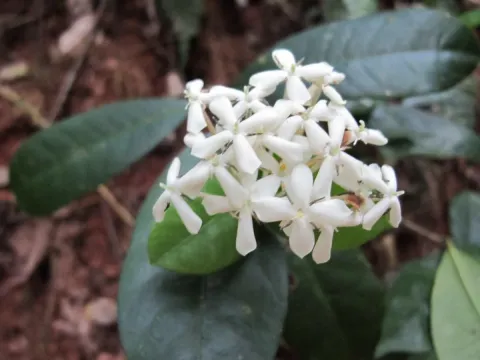
Ixora thwaitesii
Ixora thwaitesii
Ixora thwaitesii is a perennial shrub belonging to the Rubiaceae family. Originally native to the tropical forests of Sri Lanka, it is highly valued for its dense foliage and unique, colorful inflorescences that develop in warm, humid conditions.
What the section contains
Ixora thwaitesii
The plant thrives in environments where temperatures consistently range between 18°C and 26°C. It is extremely sensitive to cold and should be kept away from frost, making it ideal for tropical gardening or controlled greenhouse environments.
For optimal development, Ixora thwaitesii requires acidic, well-draining soil rich in organic matter. A potting mix consisting of peat, leaf mold, and coarse sand ensures the root system receives adequate aeration while retaining necessary moisture levels.
Bright, indirect light is essential for maintaining vibrant health and consistent flowering cycles. Exposure to harsh, direct sunlight can damage the leaves, while insufficient light may result in leggy stems and poor flower production.
Watering requirements include maintaining a consistently moist substrate without allowing it to become waterlogged. High ambient humidity is crucial, often requiring the use of misting or automated humidification systems to mimic the natural tropical habitat.
Spider mites are the most common pests affecting this species, particularly when indoor air becomes dry. Regular leaf inspection and maintaining high humidity levels are effective preventive measures against these infestations.
Fungal issues, such as root rot, frequently result from overwatering or inadequate soil drainage. Utilizing sterile potting materials and ensuring that the container has sufficient drainage holes helps minimize the risk of developing these pathogens.
Nutrient deficiencies, particularly iron chlorosis, are common when the soil pH rises above the optimal range for the species. Providing chelated micronutrients helps to correct discoloration and encourages healthy foliage development.
Mealybugs can occasionally infest the stems and undersides of leaves, requiring manual removal or treatment with appropriate horticultural oils. Frequent monitoring of the plant during the growing season is necessary to prevent these pests from spreading.
Good cultural practices, including regular sanitation and careful pruning, significantly reduce the incidence of disease. By keeping the plant's environment clean and well-ventilated, growers can maintain the health and beauty of the Ixora thwaitesii shrub.