
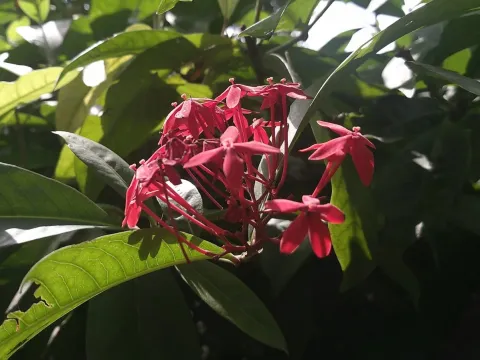
Ixora casei
Ixora casei
Ixora casei is a captivating evergreen shrub belonging to the Rubiaceae family. Indigenous to the Pacific islands, particularly the Caroline Islands, this species thrives in humid tropical environments, often found in dense vegetation where moisture is consistently abundant.
What the section contains
Ixora casei
Cultivation of this plant requires high light levels, though protection from intense, direct tropical sun is recommended to prevent leaf scorching. It prefers a stable warm climate, ideally maintaining temperatures between 22°C and 28°C throughout the year, with no tolerance for frost.
The plant demands a well-drained, acidic soil medium, typically composed of peat moss, perlite, and organic compost. Maintaining a pH level between 5.0 and 6.0 is essential for nutrient absorption, particularly for iron uptake, which is vital for maintaining deep green foliage.
Agricultural management involves meticulous watering practices, ensuring the soil remains moist but never waterlogged. High ambient humidity is crucial, often requiring misting or the use of humidifiers in greenhouse settings to ensure healthy flower bud development and prevent dehydration.
In ornamental horticulture, Ixora casei is prized for its dense, vibrant inflorescences. It serves as an excellent feature plant in tropical landscaping, creating impressive visual borders, and is frequently grown as an exotic specimen in conservatory collections around the world.
The primary pest threats to Ixora casei include scale insects, mealybugs, and spider mites, all of which thrive in stagnant, dry air. Early detection is key to preventing colony establishment, and treatment with horticultural oils or specific insecticidal soaps is often required.
Fungal issues, such as leaf spot and root rot, are common symptoms of improper irrigation or poor drainage. To mitigate these risks, growers should ensure adequate spacing between plants to facilitate airflow and avoid overhead irrigation that keeps the foliage excessively wet for prolonged periods.